
Living Traditions is a new multicultural series at the Bellevue Arts Fair celebrating the many communities and traditions woven into the artistic life of the Pacific Northwest. Each iteration turns its attention to a different culture, featuring performances, demonstrations, workshops, and community celebrations. Beyond the fair, the series expands its reach and depth as an online exhibition — an evolving archive of the region's creative heritage. This year, we begin with the arts of Japan as a deep and growing root in the creative life of this region. Living Traditions is curated by Dr. Anna-Marie Moblard Meier, Guest Curator, with co-curator Shizu Usami.
Over three days at the Bellevue Arts Museum, Avenue Bellevue, and the Westin Hotel — July 24-26, 2026 — visitors encounter calligraphy, woodblock printing, ikebana, taiko, haiku, and the Star Festival through demonstrations, workshops, and live performance.
Physical Programing Schedule ➔
This website is where the artists, traditions, and community connections behind those three days find their full context — and where the story of Japanese art and culture in the greater Seattle area continues to deepen long after the arts weekend closes.
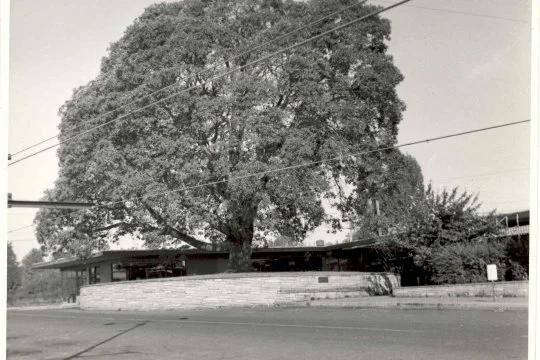
The Bellevue Arts Fair: A Living Tradition
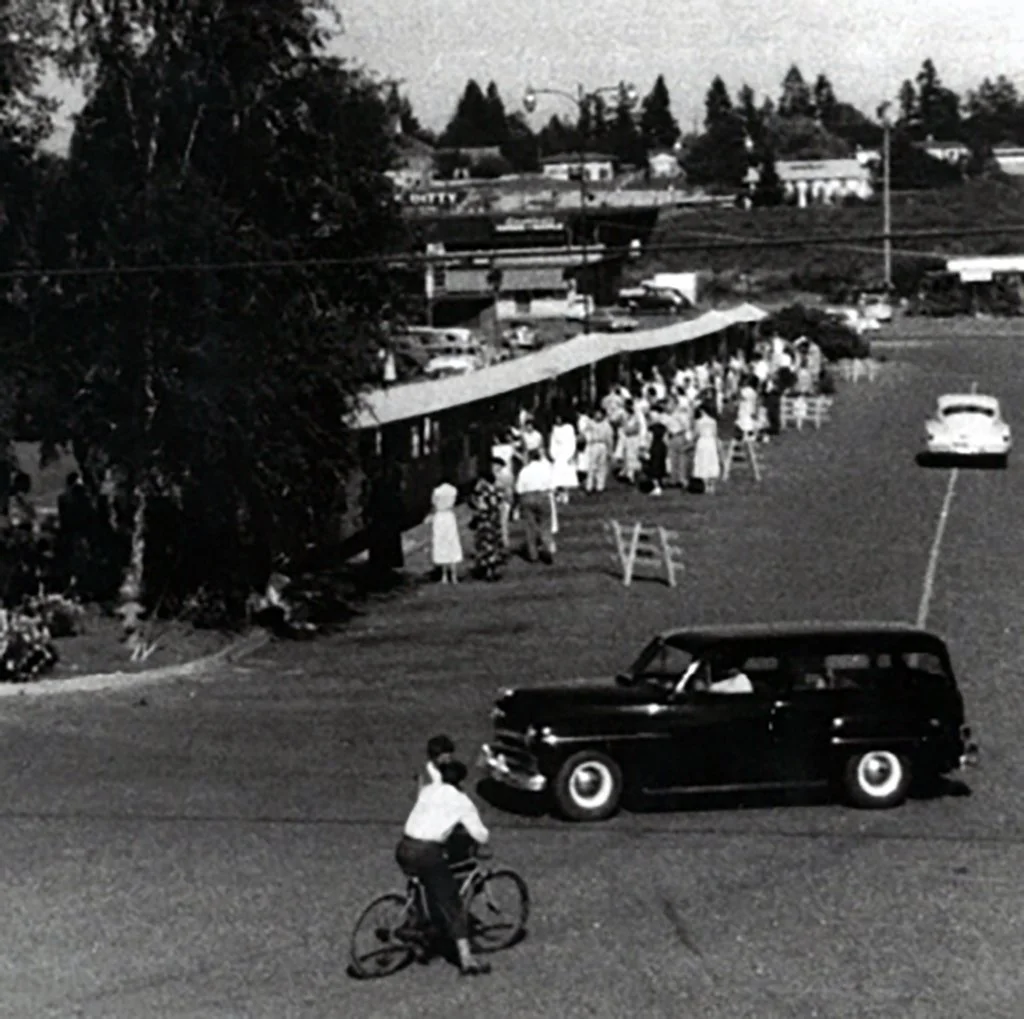
The Bellevue Arts Fair has been a gathering place for artists and community since 1947.
Nearly eighty years. It has outlasted buildings, financial crises, a pandemic, and more than one institutional reinvention — sustained not by infrastructure but by people: artists showing up and communities showing up to meet them. The fair offered something essential to creativity and community. Art made and encountered in public. The distance between maker and viewer collapsed to the width of a booth. The creative life of this region made visible to the people who live here. Artists demonstrated and sold and came back the following year. Audiences became regulars. The fair grew not by adding but by deepening.
Its energy moved outward. The fair led directly to the founding of Bellevue Art Museum in 1975. BAM opened on the third floor of Bellevue Square in 1983, moved into a purpose-built building designed by Steven Holl in 2001, and for a generation the two were inseparable — the fair as summer gathering, the museum as year- round home. Each made the other possible.
In 2026, that relationship changed shape. BAM completed the sale of its building at 510 Bellevue Way NE to KidsQuest Children’s Museum and stepped forward as a citywide arts organization — no fixed address, but present through the fair, through pop-up exhibitions, through artist-led experiences in spaces across Bellevue. It is the fair’s own logic applied to the institution: art does not require a building. What it requires is community and creativity. Living Traditions joins that gathering in 2026, turning its attention toward the creative life of this region and the communities that make it.
Japanese Art and Resilience in the Pacific Northwest
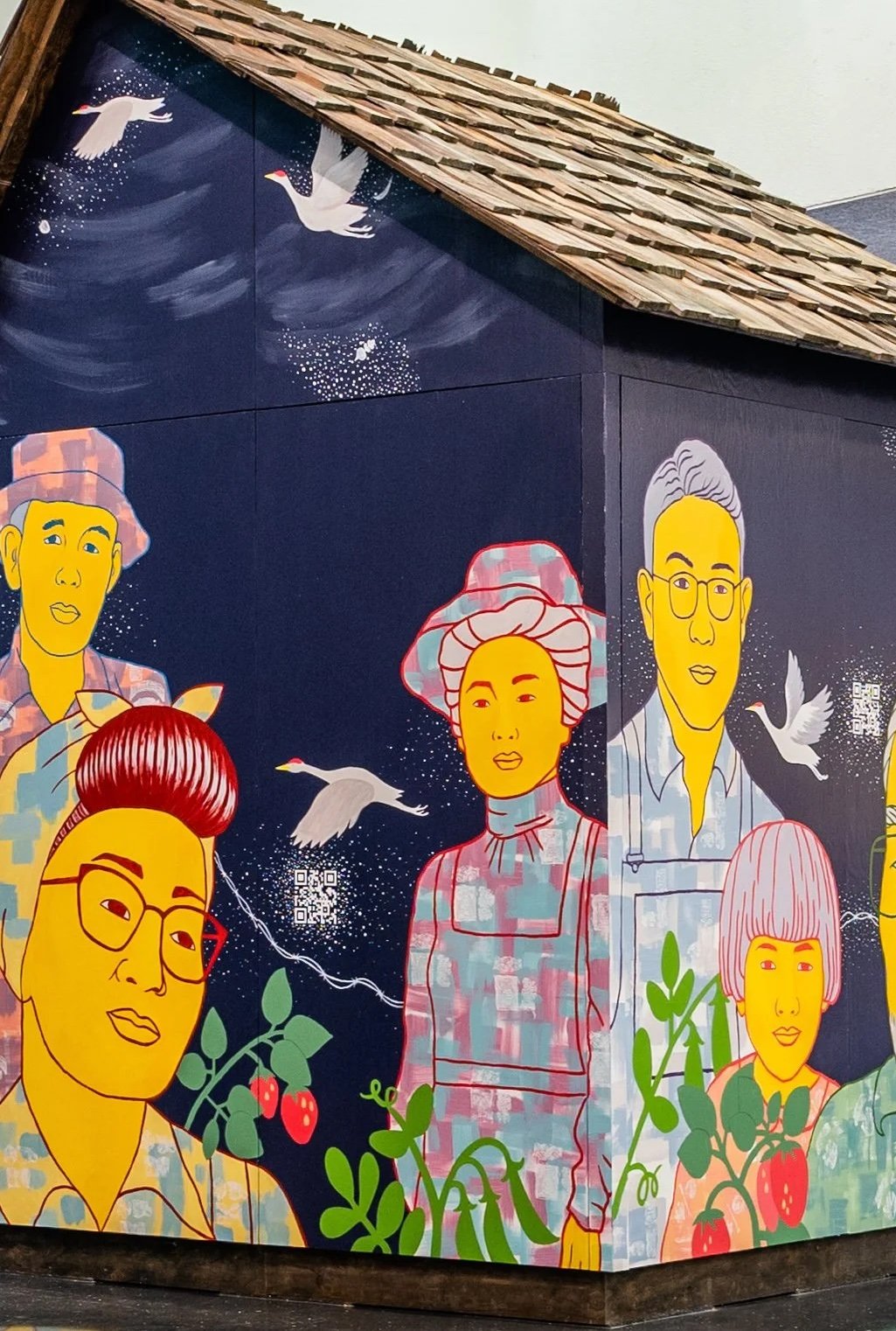
The Nikkei community is woven into the very ground of Bellevue.
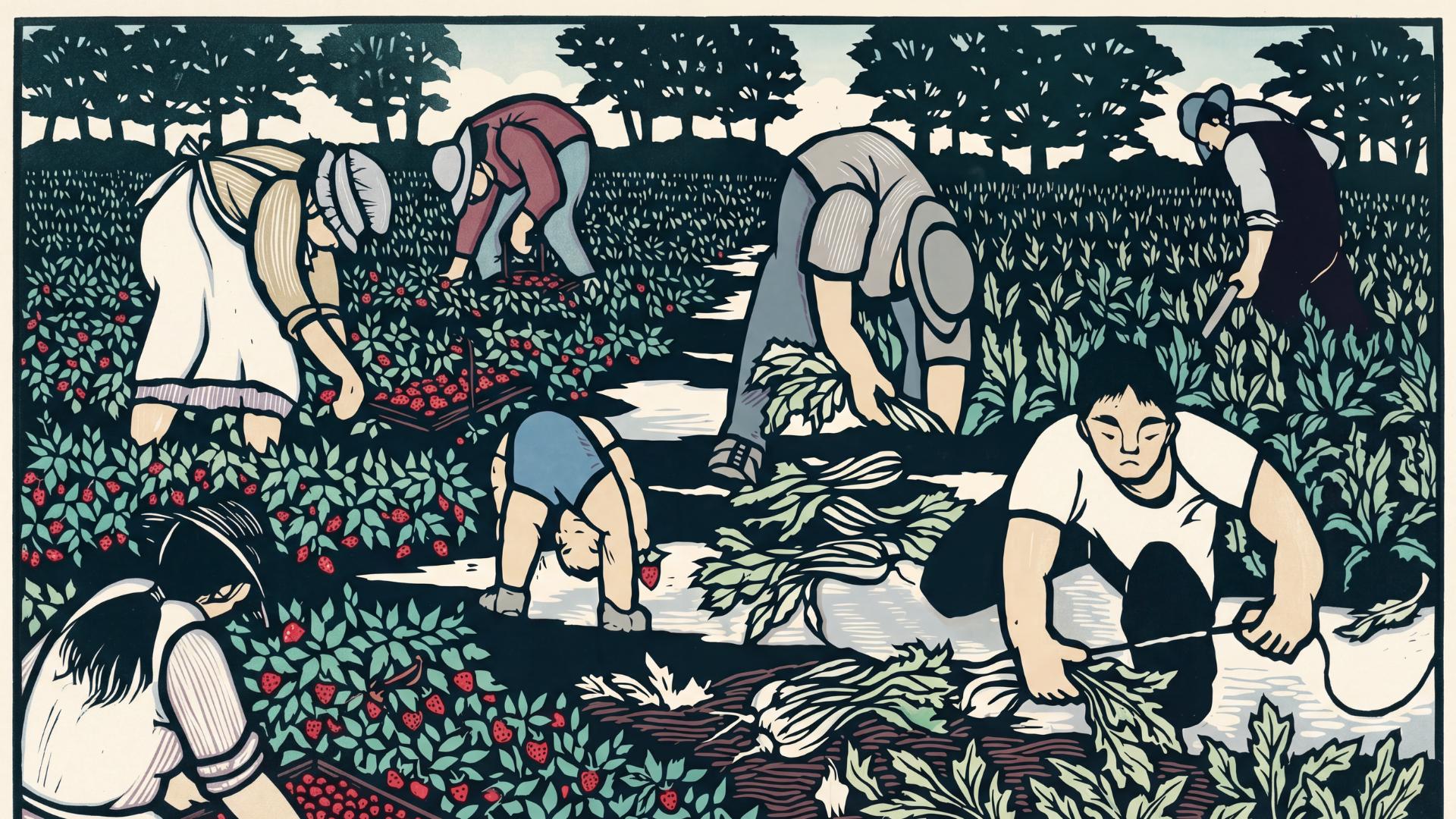
Sixty Japanese American farming families cleared the old-growth stumplands of this land by hand, grew the strawberries that gave the city its identity, and carried their cultural traditions through profound disruption — traditions that did not merely survive but continued to grow, teach, and transform. Calligraphy (shodo), woodblock printing (mokuhanga), flower arrangement (ikebana), poetry (haiku), communal drumming (taiko), tea ceremony (chado), paper cutting (kiri-e), and ceramics (togei) were practiced through every upheaval and passed forward across generations — not as static practices, but as cultural memory and living art. That continuity is itself a creative act.
This online exhibition is built around that history. Visitors will find essays on each of the featured artistic traditions — from the meditative discipline of calligraphy (shodo) to the percussive collaboration of taiko; profiles of the artists and groups who carry these practices forward today; an interactive cultural map of Japanese and Japanese American art, gardens, memorials, galleries, and community institutions across the greater Seattle region; a living calendar of annual celebrations; and a directory of language and cultural programs from preschool to graduate study. The exhibition also reaches into the public art record — the murals, fountains, and sculptures that mark the presence of this community on the land where families have lived and worked for more than a century.
This inaugural edition is also an opening chapter: with each iteration, the series will turn its attention to a different strand in the Pacific Northwest’s rich multicultural fabric. Living Traditions is an ongoing invitation to look more closely at the world we share.
The Bellevue and Eastside Nikkei community has its own distinct history, different in character from the Seattle Nikkei story. Each area has its own institutions, its own texture, its own relationship to the traditions we celebrate and the history of this region. The institutions listed below preserve and interpret that history. We are grateful for their work, and honored to direct visitors toward them.
Nikkei Historical Resources
‘Resilience’ is not an abstraction in this exhibition. It is documented, archived, and actively cared for by a network of organizations across the region, ranging from community-based historical societies to national archives. These institutions are where the history behind Living Traditions lives in greater depth than any single exhibition can hold: oral histories, family papers, photographs, and the records of incarceration itself. Many of the artists, art forms, and places referenced here can be traced back to the work of the institutions listed below. We are grateful for their scholarship and stewardship, and we point visitors toward them as an extension of this exhibition rather than a footnote to it. The Seattle-based Tateuchi Foundation’s support recurs across several of these institutions: the Seattle Asian Art Museum’s curatorial program, the Wing Luke Museum’s Tateuchi Story Theatre, the Tateuchi Viewing Pavilion at the Bellevue Botanical Garden, the University of Washington’s Tateuchi East Asia Library — one of the largest collections of Japanese-language materials in North America — and the Tateuchi Community Room at the Seattle Japanese Garden. Strawberry Days: The Rise and Fall of a Japanese American Community by David Neiwert is the fullest account of Bellevue's Nikkei farming community before, during, and after World War II. A new edition is available from Barnes & Noble.
-
isanbellevue.org
Devoted to creating a Japanese American historical site hub near downtown Bellevue. Raises awareness of the 60 Japanese American farming families whose labor built this city. Place-based art installations, historical markers, and community programming. Raising $3.5M toward a permanent public legacy project. Primary entry point for Bellevue Nikkei history. -
The Bainbridge Island Japanese American Exclusion Memorial Association stewards the Bainbridge Island Japanese American Exclusion Memorial at the Eagledale ferry dock — one of the most significant sites of memory in the Pacific Northwest — along with its stories, public artwork, and interpretation. A new Visitor Center opens Fall 2026.
-
The Bainbridge Island Japanese Community Club formed in April 1952, when Nikkei families returning after WWII incarceration founded the Bainbridge Island Japanese Community Club to rebuild community life. Over half of Bainbridge Island's prewar Nikkei population returned starting in April 1945, one of the highest return rates of any community on the West Coast. BIJAC's history section documents the prewar community, the exclusion and incarceration, Nikkei military service, the Woodward family's wartime advocacy, and the postwar return, alongside an extensive oral history archive.
-
'Densho,' which means 'to pass on to the next generation,' was founded in Seattle in 1996 by Tom Ikeda and a small group of collaborators inspired by the model of the Shoah Foundation. The Densho Digital Repository has grown into the foremost digital archive of Japanese American incarceration history, with more than 1,200 oral histories and over 140,000 photos, letters, and other archival items, alongside an online encyclopedia and curriculum used by educators nationwide.
1416 S Jackson St, Seattle.
-
A Washington Trust for Historic Preservation digital heritage project updating the 1941 WPA Guide to Washington State. Includes the Japanese American Remembrance Trail, Japanese American agricultural heritage on Vashon Island, and a growing collection of BIPOC heritage sites across Washington State.
-
Community oral history project in partnership with Densho. Contact: Darcy Ruppert. In development.
Beyond the region, the Smithsonian Institution's Archives of American Art holds the papers, oral histories, and production records of numerous Pacific Northwest Japanese American artists discussed throughout this exhibition, many collected through dedicated initiatives such as the Northwest Asian American Project (1990) and the Northwest Visionaries documentary (1976-1980). The resources below are a starting point for visitors who want to go deeper into any single artist's story.
-
Smithsonian guide to the papers of 32 Asian American and Pacific Islander artists with Pacific Northwest connections: George Tsutakawa (Northwest Visionaries production records), Kamekichi Tokita (Minidoka diaries, Northwest Asian American Project), Roger Shimomura and Frank S. Okada (Northwest Asian American Project), Norie Sato (1974-1991 papers), and George Nakashima (1950-1991 papers).
-
A project of the Japanese American National Museum (JANM) in Los Angeles, Discover Nikkei is a multilingual digital hub of community-submitted stories, oral histories, and resources documenting Nikkei history and culture worldwide.
-
A research guide to primary materials on the Nikkei community held in University of Washington Special Collections, including personal papers, organizational records, and photographs. Holds the papers of Paul Horiuchi (1920-2017), among others connected to this exhibition.
-
Portland's museum and archive of Japanese American history, with the largest repository of Japanese American history in Oregon, including the Oshu Nippo (Oregon Daily News) archive, an Oregon Nikkei oral history collection, and a 2025 exhibition on George Tsutakawa's fountains and public art. Many Oregon Nikkei were incarcerated alongside Washington families at Minidoka.
Art That Remembers
Pacific-Northwest artists have created a remarkable body of public work that marks the sites and experiences of the Nikkei community — honoring the farmers, the incarcerated, and those who carried their traditions forward.
Bellevue
-
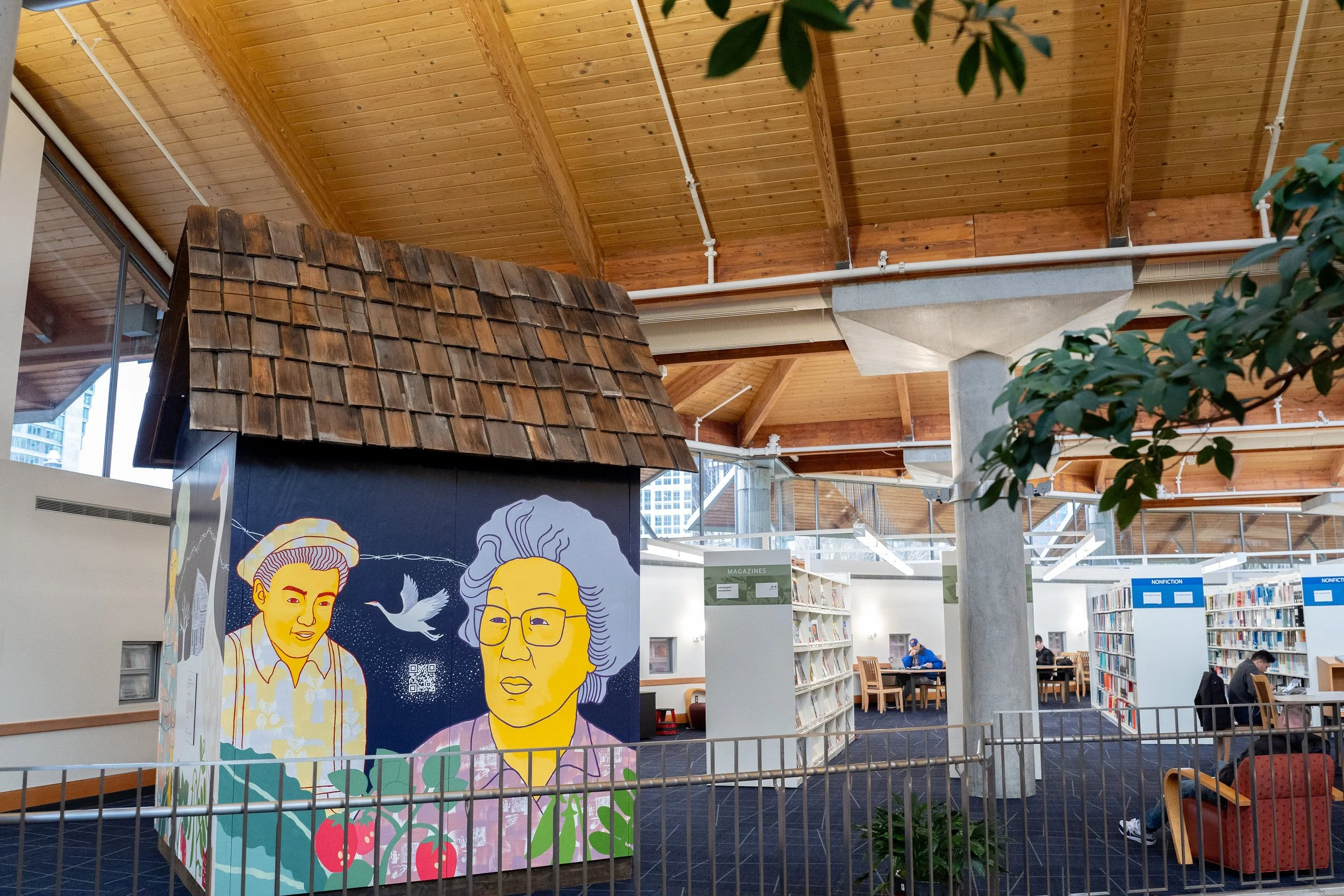
The augmented reality project honoring the Nikkei farming families who shaped Bellevue before WWII. Winner of the Tribeca Festival Immersive Award (2022). Purchased by the City of Bellevue for its permanent public art collection and installed at the Bellevue Library in January 2025, on view through at least 2027. An interactive companion website includes oral histories from former Bellevue residents Toshio Ito, Rae Matsuoka Takekawa, and Mitsuko Hashiguchi, collected by Densho.
-
11-foot mural at Bellevue College, Fountain Courtyard. Created in 2020 for the Day of Remembrance; after a censorship controversy in which a college administrator altered the artist's statement, Bellevue College apologized and on June 11, 2026 made the installation permanent in a public ceremony attended by over 200 people, with President David May acknowledging the harm caused. Densho artist-in-residence.
-
A five-artist collaboration commissioned through Isan Bellevue honoring the Japanese American farming community of Bellevue. Harvesting History / Harvesting Hope (Lauren Iida) — cut aluminum handrails and printed mural honoring agricultural workers on the very land they farmed. Legacy of Farmers (Aki Sogabe, with poems by Lawrence Matsuda) — ceramic tile panels commemorating the farming families. Bellevue JA Legacy Bridge Span Mural (Erin Shigaki and Mari Shibuya) — uses kintsugi, the Japanese technique of repairing broken pottery with gold, as a visual metaphor for the history of Eastside communities of color.
-
A long-term suspended installation in the BAM Forum, 2018-2026. Yamahira's practice centers on the meditative act of deconstructing painted canvases thread by thread, painstakingly separating warp from weft to turn a flat surface into a hanging, sculptural form. His patient attention to what is latent within a material — and his transformation of that material into a new form — speaks to the heart of this exhibition. The Japanese arts celebrated in Living Traditions are surviving threads of a community that was violently unwoven from this place. They were carried forward and they endure. In celebrating these traditions, we are respecting the history of the community that has upheld them. This installation inhabited the BAM Forum for seven years before the building's 2026 sale, and comes down in August 2026.
-
Three permanent murals (2016) at the W Hotel Bellevue depicting the Japanese immigrant community and the sixty Japanese American farming families whose labor cleared the land and built this city before World War II. Tokyo-born muralist AIKO draws on the visual language of ukiyo-e woodblock printing, combining the compositional traditions of Edo-period printmaking with the scale and materials of contemporary street art. The work marks the presence of the Nikkei farming community on the land where they lived and worked. ladyaiko.com
Seattle and the Greater Region
-
Song of the Earth (1999)
Five panels at the entrance to Pike Place Market, commemorating the Japanese American farmers who sold their produce there for generations before their forced removal and incarceration during World War II. The work follows the labor of the land, from clearing stumps through harvest to the market stall, and ends in departure. Aki Sogabe brought kiri-e, the Japanese art of paper cutting, to the Pacific Northwest when she settled here in 1978 and received Japan's Foreign Minister's Commendation in 2025.
-
A monumental mural over 20 feet tall in the Chinatown-International District, Seattle, 2022. The work honors Japanese American ancestors and the continuity of Nikkei community life in Seattle.
-
Murals honoring four Japantown businesses that survived incarceration: Kokusai Theatre, Maneki Restaurant, Sagamiya Confectionary, and Uwajimaya. CID, Seattle. Read more: 'Remembering Amy Nikaitani and her undaunting determination to live life to the fullest,' International Examiner.
-
Eastrail NE 8th Bridge (Bellevue), Sound Transit Redmond station murals, Plymouth Housing mural (lower Queen Anne), Washington State Convention Center Addition (cut metal). All centered on Japanese American heritage and the incarceration experience.
Densho artist-in-residence.
-
A bronze fountain at Seattle Central College, in the Broadway-Edison building on the site of the former Broadway High School, from which more than 150 Japanese American students were removed to incarceration in 1942. Tsutakawa, himself a Broadway High alumnus, created it as a quiet memorial to that history, and it is the only one of his roughly seventy fountains installed at a community college.
-
Two Issei Seattle painters of the prewar Group of Twelve who documented daily life inside the Minidoka incarceration camp. Fujii's nearly 400-page illustrated diary and watercolors, among the most complete Issei accounts of the incarceration, were shown in Witness to Wartime at the Washington State History Museum. Nomura's camp paintings and drawings were the subject of a 2021 Cascadia Art Museum retrospective and are held by the Smithsonian American Art Museum.
-
Powder-coated steel, Lynnwood Community Justice Center garage wall. Statement: 'As a descendant of Japanese Americans who were jailed en masse during WWII, I use my moral imperative to question this society's obsession with incarcerating bodies.'
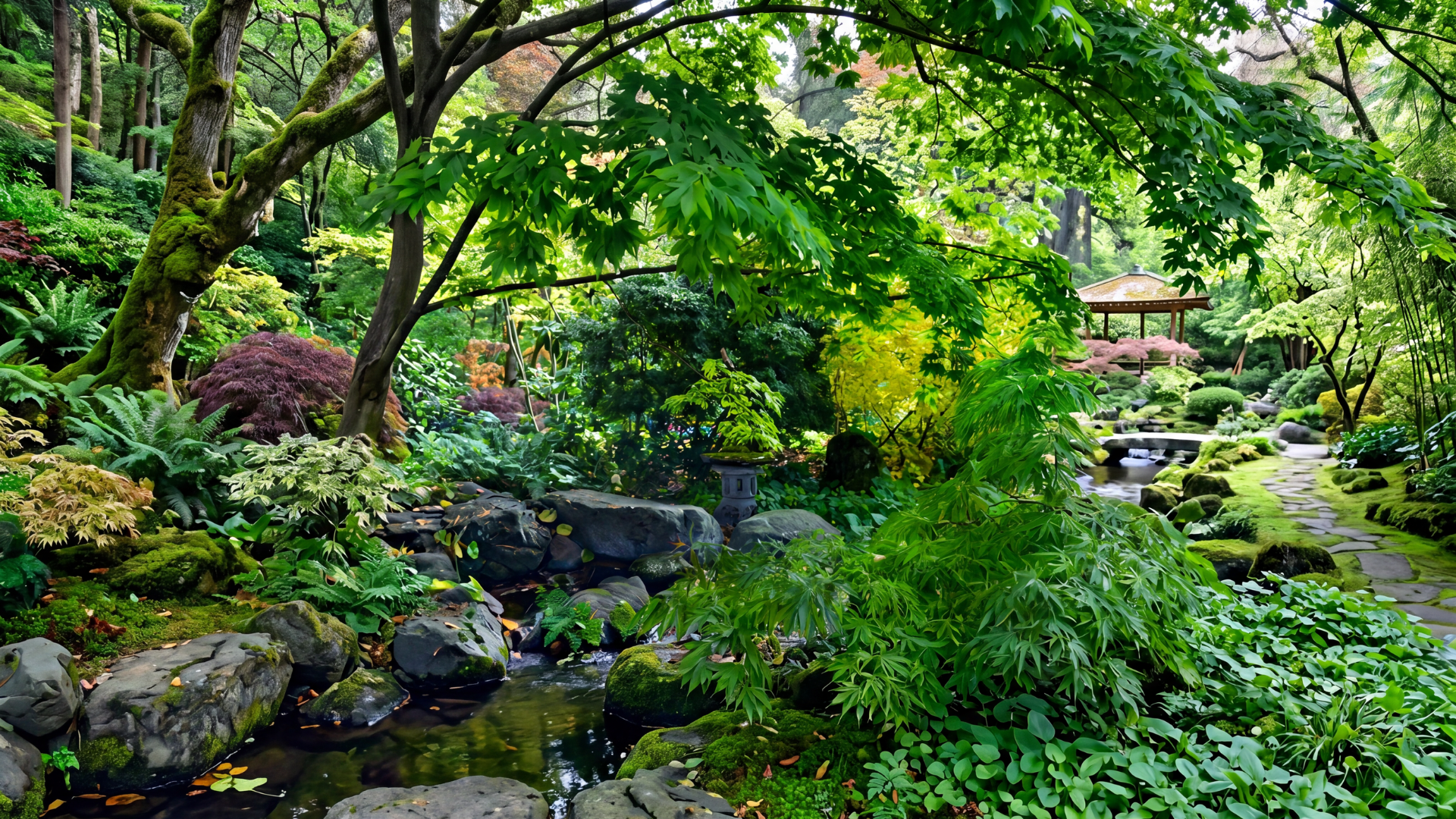
Cultural Map of the Greater Metro Area
The Living Traditions Cultural Map is an interactive geographic guide to Japanese and Japanese American art, culture, and community across the greater Seattle metro area.
Organized by neighborhood and filtered by category, the map is designed to grow through community input and will remain active and expanding long after the fair weekend closes.
The Living Traditions Cultural Map was researched and compiled by Dr. Anna-Marie Moblard Meier.
Suggested starting route: Emerging Radiance at Bellevue Public Library — Isan Bellevue Public Art at the Eastrail NE 8th Street Bridge — Kubota Garden — Song of the Earth at Pike Place Market — Seattle Japanese Garden
Do you know a hidden treasure? Tell us. The map includes a community input form for submissions, reviewed and added on a rolling basis. If your organization is already listed and you would like edits made to your entry, please contact us.
Map Key
Gardens
Galleries

Murals

Museums & Collections
Public Sculpture
Institutions
& Archives
Memorials
Community Organizations

Literary Traditions & Language Programs

Cultural Heritage

Alongside the places on the cultural map, two living calendars sustain Nikkei community life across the region: an annual cycle of celebrations and remembrances, and a network of language programs spanning preschool to graduate study. Both are designed to grow through community input and will expand over time.
Community Calendar and Language Programs
Community Celebrations — Annual Events
-
When: May
Location: Bellevue College
Annual festival with community booths, workshops, music, and cultural activities.
-
When: June 26, 27, 2027
Location: Greater Seattle area
Annual celebration of Japanese culture and U.S.-Japan relations.
-
When: July
Location: 1427 S Main St, Seattle
A 93-year tradition. Bon Odori dancing, Japanese food, taiko, cultural demonstrations. Official Seafair event.
-
When: August 6
Location: Green Lake, Seattle
Annual remembrance with lantern-floating ceremony. Free and open to the public.
-
When: Summer (annually)
Location: Minidoka National Historic Site, Idaho
Annual community pilgrimage.
-
When: November / December
Location: Bainbridge Island (BIJAC)
Annual traditional mochi-making festival. Taiko, community history talks. Free. BIJAC.
-
When: December
Location: Greater Seattle / Bellevue
Annual celebration of Japanese culture and community.
-
When: January
Location: Woodward Middle School, 9125 Sportsman Club Road NE, Bainbridge Island
Organised by BIJAC — the Bainbridge Island Japanese American Community. Mochi (rice cake) is made for prosperity and good luck at the New Year: sweet rice steamed over an open fire, then pounded in a traditional stone usu bowl using large wooden mallets. Two people pound while a third folds the rice between each strike — a practice unchanged for centuries. Children and adults can try their hand at forming the mochi, which is eaten plain, filled with sweet red bean paste, or dipped in soy sauce and sugar. Taiko performances by Seattle Kokon Taiko (two shows per event). Origami, Obon dance, the game of Go, and community history displays including the award-winning Kodomo No Tameni — For the Sake of the Children exhibit. Free admission; donations benefit BIJAC. The festival began in the early 1990s in a local dry-cleaners, where families used the steamer to cook the rice, and has grown into one of the largest community events on Bainbridge Island, with capacity for over 700 attendees per taiko show. The school itself bears witness: named for Walt and Milly Woodward, whose Bainbridge Review was the only West Coast newspaper to oppose the incarceration of Japanese Americans in 1942.
-
When: February 19
Location: Seattle and Tacoma
Commemorates signing of Executive Order 9066 in 1942. Densho hosts annually in Seattle.
-
When: March / April
Where: UW Quad; Seattle Japanese Garden; Bellevue Botanical Garden
UW Quad's Yoshino cherry trees are among the most celebrated in the country.
-
When: April (Seattle Center Festal)
Location: Seattle Center
Free festival with taiko, Japanese dance and martial arts, food, and a Japanese art exhibit. Presented with JASSW and the Seattle-Kobe Sister City Association.
-
When: August (summer)
Location: Historic Japantown, CID
Seattle's Japantown neighborhood collective (Japantown Seattle / Japantown Neighbors) presents Hai! (‘Yes!’) Japantown, a summer celebration launched in 2017 that opens with a block party and continues with a week of pop-ups, performances, food, and self-guided tours across the shops, galleries, and restaurants of historic Nihonmachi. The same collective presents Sakura Matsuri each spring.
-
When: April / May
Location: CID, Seattle
Annual family festival held at a community venue in the CID. Free admission.
Japanese Language Programs
-
Location: Bellevue School District
Level: K-5 Immersion
Living Traditions school partner.
-
-
-
-
-
-
Location: CID, Seattle
Level: All ages
Founded 1902. Oldest operating Japanese language school in North America.
1414 S Weller St, Seattle.
-
-
Location: University District
Level: College / Graduate
jsis.washington.edu/japan/
-
-
Location: Bellevue
Level: Resource / Library
Founded in Bellevue in 1997 as a Japanese reading group, Mimi Bunko brings Japanese literature to life through the voice. Members recite novels and essays, record audiobooks for seniors and for people who have difficulty reading due to impaired vision, and, since 2006, perform puppet shows.
-
Traditional Art Forms
Each Japanese artistic tradition in this online exhibition has its own brief history, a description of the practice, an explanation of why it matters in the Pacific Northwest today, and profiles of the artists and groups keeping it alive.
Not all of these traditions are represented in the physical fair weekend programming; some are included because they are deeply intertwined with those that are — calligraphy, tea ceremony, and ikebana share an aesthetic lineage that is inseparable from the others; kiri-e is included because of Aki Sogabe's vital role in the artistic fabric of this region; bonsai, and Japanese theater are included because of the important place they hold in the history of this community. These pages are introductions to living practices, written to invite the curious and deepen the engaged.
-
Sho (writing) + do (way). The way of writing.
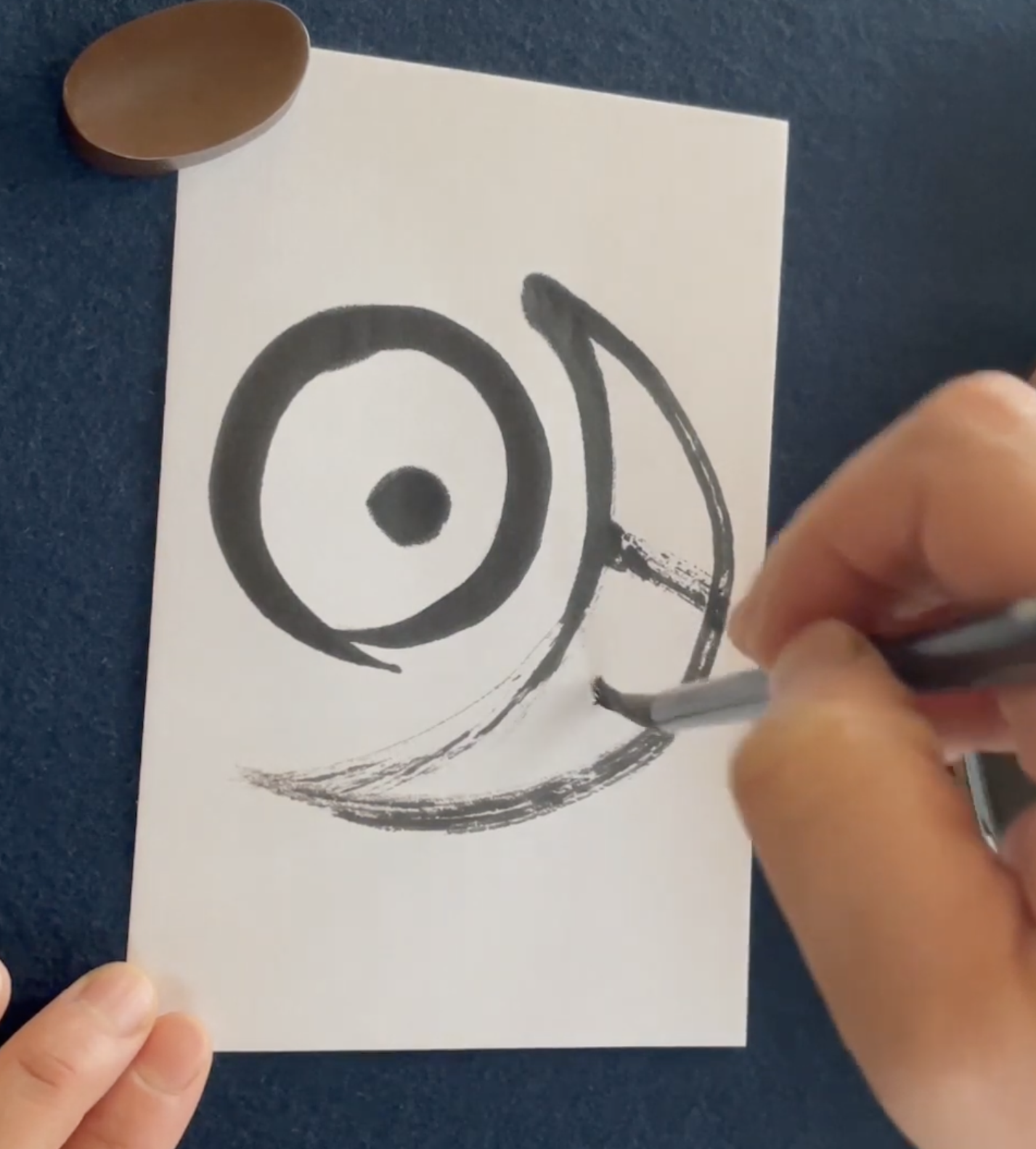
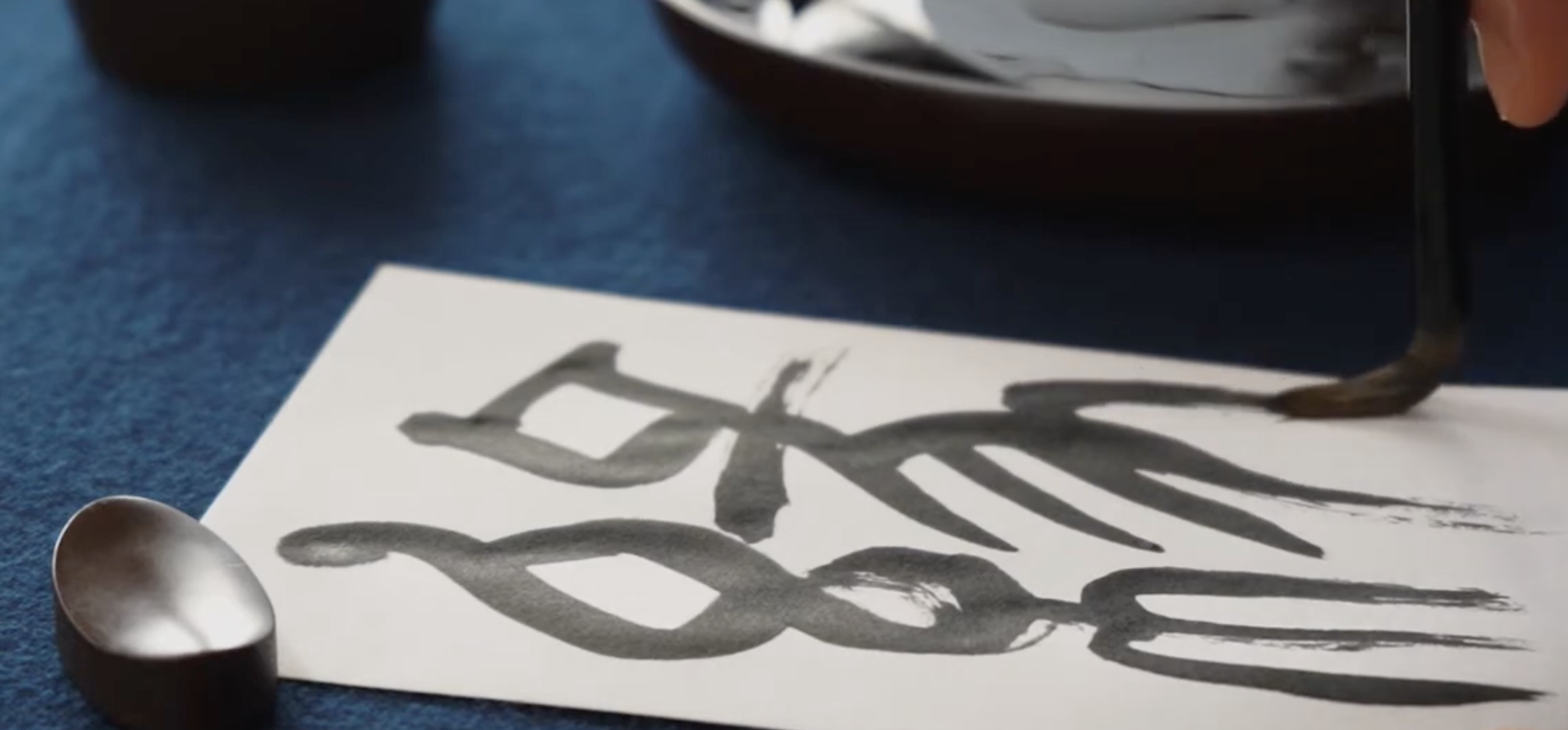
Shodo is the art of Japanese calligraphy, practiced as both aesthetic discipline and meditative practice. Its roots reach back over a thousand years to brushwork traditions imported from China, refined over centuries into a distinctly Japanese visual language in which kanji, hiragana, and katakana are rendered with the whole body, not just the hand. The brush, ink, paper, and inkstone are the four treasures of the practice, and the slow grinding of the ink stick against the inkstone is itself part of the ritual of preparation — a transition from the everyday into focused presence.
For co-curator Shizu Usami, to write is to breathe. Calligraphy is not performance — it is a practice of letting go of the illusion of control, of allowing the sumi ink, the moisture in the air, the stone, and the brush to come together in a singular encounter that cannot be repeated or corrected. Shizu demonstrates shodo throughout the arts weekend and leads the Star Festival (Tanabata) table.
Link: Shizu Usami (shizuusami.com / brushandbeing.com)
-
Moku (wood) + han (block or plate) + ga (picture). Woodblock printmaking.
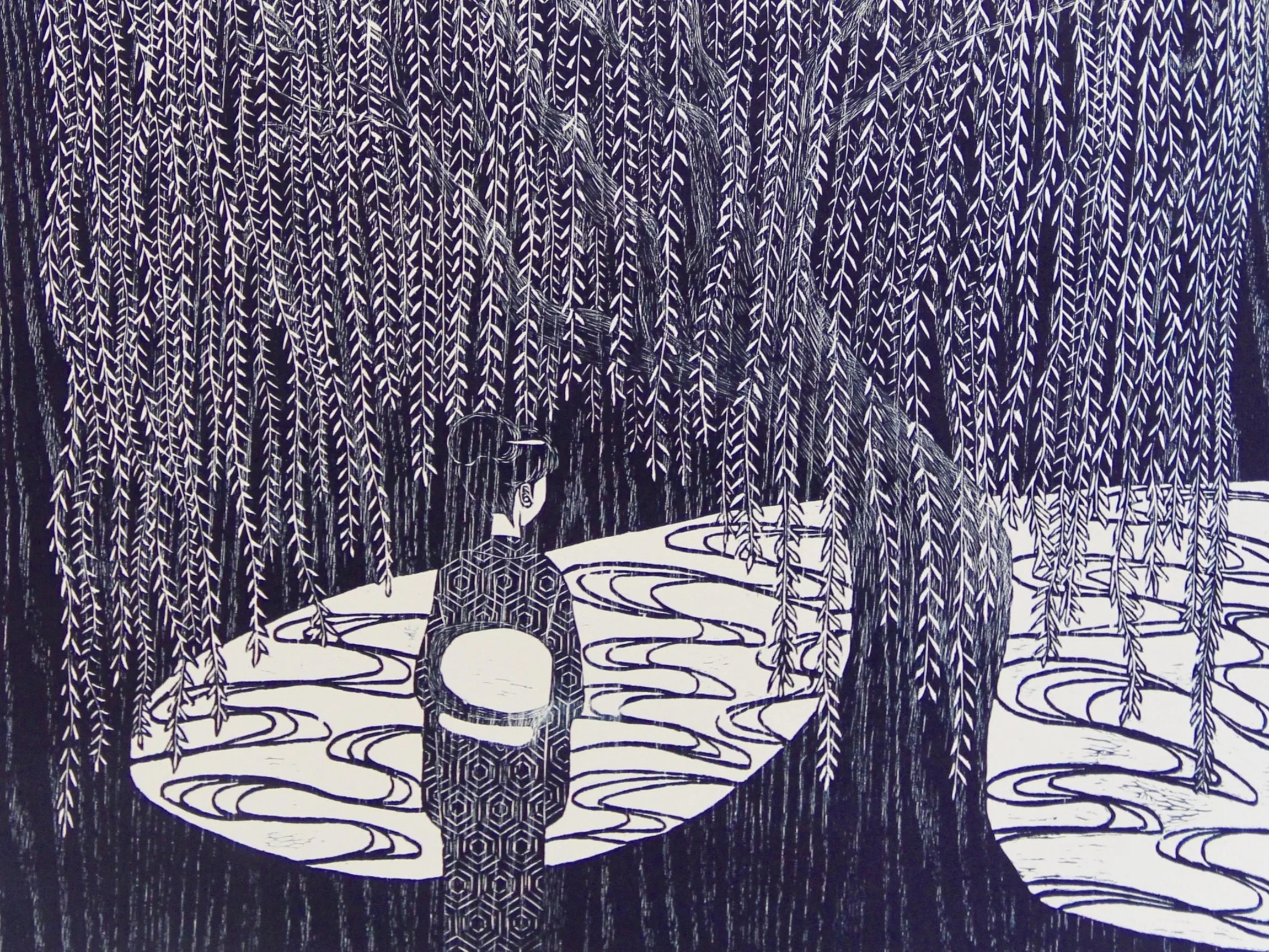
Mokuhanga has been practiced in Japan for over 1,000 years, reaching its best-known form in the ukiyo-e prints of the Edo period — the floating-world images of actors, courtesans, and landscapes that later influenced artists worldwide. It differs from Western printmaking in its use of water-based inks rather than oil-based ones, producing a softer, more luminous result, and in its traditionally collaborative process dividing work between designer, carver, and printer. In the postwar period, the sosaku-hanga (creative print) movement reimagined mokuhanga as a vehicle for individual artistic expression, and that lineage reached the Pacific Northwest directly: printmakers who studied under masters such as Hideo Hagiwara in Japan — including graduates of the University of Washington's printmaking program — brought the practice home and taught it for decades at institutions including Cornish College of the Arts and the UW itself.
At this year's fair, Living Traditions presents both water-based and oil-based approaches to mokuhanga, representing the tradition in its full range. Art is Kathleen Hargrave's real point of hope. She lets go of striving for perfection and accepts the slow incremental improvement — getting lost in art, letting it lead. Yoshi Nakagawa finds great beauty and simplicity in everyday lives: the respect for working by hand, the enlightenment found in something deeply repetitive. Together they demonstrate two distinct paths through the same tradition. Kathleen demonstrates Friday, July 24 (11am-4pm) and Yoshi Saturday, July 25 (12-3pm); on Sunday, July 26, they lead a hands-on workshop (10am-2pm), registration required.Links: Kathleen Hargrave (kathleenhargrave.com) | Yoshi Nakagawa (yoshinakagawa.com) | Charlie Spitzack / Seattle Print Arts (charlesspitzack.com) | Mokuhanga Project Space (mokuhangaprojectspace.com) | Lavenberg Collection (myjapanesehanga.com).
The visual language of the Japanese woodblock print also lives on in contemporary practice far beyond the studio. AIKO — whose permanent murals at the W Hotel Bellevue depict the Japanese immigrant farming community that built this city — draws directly on ukiyo-e imagery, combining the compositional language of Edo-period printmaking with the scale and materials of street art. BOOGIEREZ bring the same lineage into their Japan Town activation at Avenue Bellevue: Risa Tochigi’s practice is rooted in the technical mastery of traditional Japanese prints, translated into urban imagery, graphic storytelling, and contemporary creative culture. Both represent what the sosaku-hanga (creative print) movement always argued: that the tradition is not a relic but a living visual language, available to every generation that chooses to take it up.
-
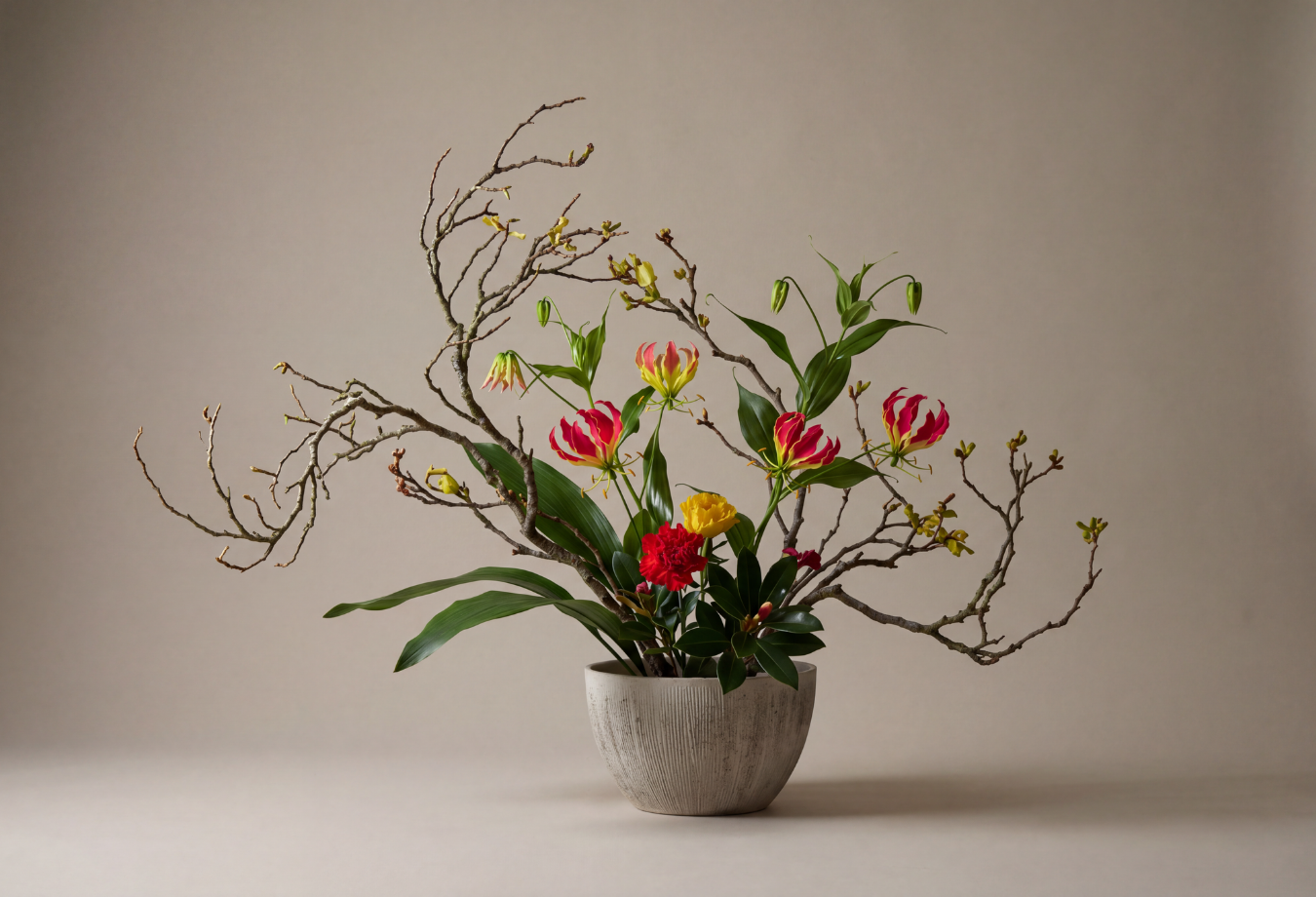
Ike (to give life / to be alive) + hana (flowers). Flower arrangement.
Ikebana means ‘make flowers come alive.’ The practice traces its origins to Buddhist flower offerings (kuge) brought to Japan from China and Korea over a thousand years ago and developed over centuries into one of Japan's principal classical arts. Established schools (ryu) carry their own philosophy of line, form, and seasonal awareness. Founded in 1956 with the motto Friendship through Flowers, Ikebana International brought this meditative and philosophical art to a global membership, with chapters established on every continent. Unlike Western floral design, ikebana emphasizes negative space, line, and the relationship between the flowers, the container, and the viewer. An arrangement is read as much for what is left out as for what is included. Ikebana International Seattle presents arrangements throughout the celebration spaces at Avenue Bellevue, the Bellevue Arts Museum, and the Westin Hotel.
Link: Ikebana International Seattle (ikebanahq.org)
-
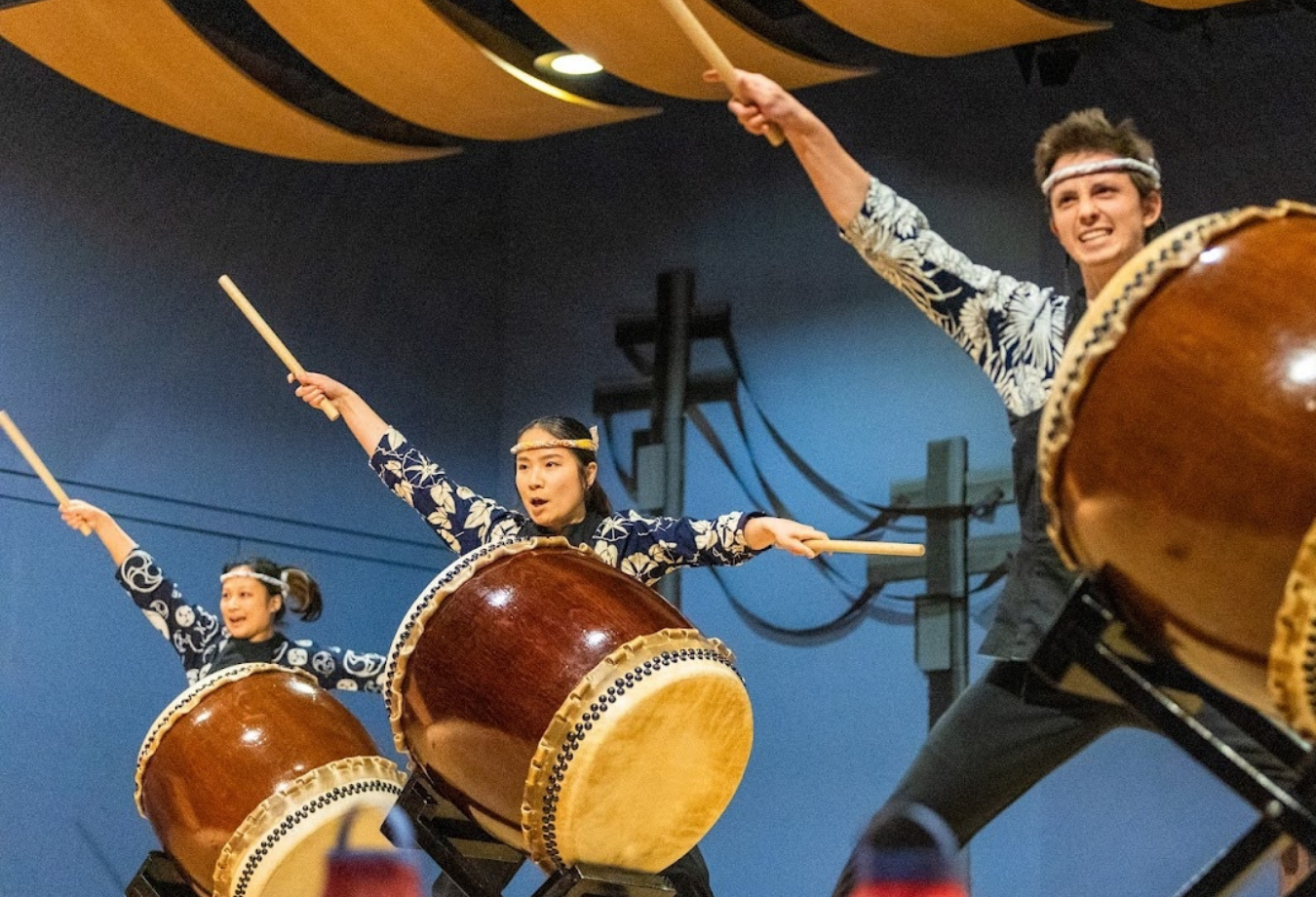
Tai (big / great) + ko (drum). Great drum.
‘Inochi’ means Vitality — and that is exactly what Inochi Taiko brings to the opening ceremony of Living Traditions on NE 6th Street. Taiko is one of Japan's oldest musical traditions, with roots in ancient agricultural and religious rites in which the drum's sound was understood to carry across great distances, marking festivals, announcing the presence of the divine, and coordinating communities at work. The modern ensemble style familiar today — kumi-daiko, with multiple drummers playing choreographed parts together — developed in Japan in the late 1950s and spread to North America in subsequent decades, where it became closely associated with Japanese American community life and cultural reclamation. Japanese Americans continued to practice taiko through the incarceration camps, and the postwar growth of taiko groups across the West Coast became, for many Sansei and Yonsei, a way of reconnecting with a heritage that internment had worked to suppress.
Seattle's taiko community traces back to April 1980, when the celebrated Japanese ensemble Ondekoza performed at the Seattle Cherry Blossom and Japanese Cultural Festival. Local Japanese American community members were inspired to form their own group, taught by Sue Taoka, which became Seattle Kokon Taiko. Inochi Taiko, founded in 2003 by Tyrone Nakawatase, Garrett Nakawatase, and Max Honkawa and now led by Elias Chanteloup, sits within a closely connected web of Seattle-area groups. Dekoboko Taiko, founded by Taiko Kai alumni in 2017, is part of Regional Taiko Groups of Seattle (RTG-Seattle), a coalition of the area's ensembles.
Artist profiles: Elias Chanteloup and Inochi Taiko (inochitaiko.com). PNW taiko community directory: Seattle Kokon Taiko (seattlekokontaiko.org) | Dekoboko Taiko | UW Taiko Kai (taikokai.com) | Hidaka Taiko (Seattle University) | Northwest Taiko | One World Taiko | Seattle Matsuri Taiko | Evergreen Taiko | School of Taiko | Tobe Daiko.
Inochi Taiko performance videos: youtube.com/@inochitaiko | TaikoGo! 2024 (youtu.be/kKKIS3qyWo8) | Hayashi at Fishermen’s Fall Festival 2023 (youtu.be/WKcw0wwBzZg).
-
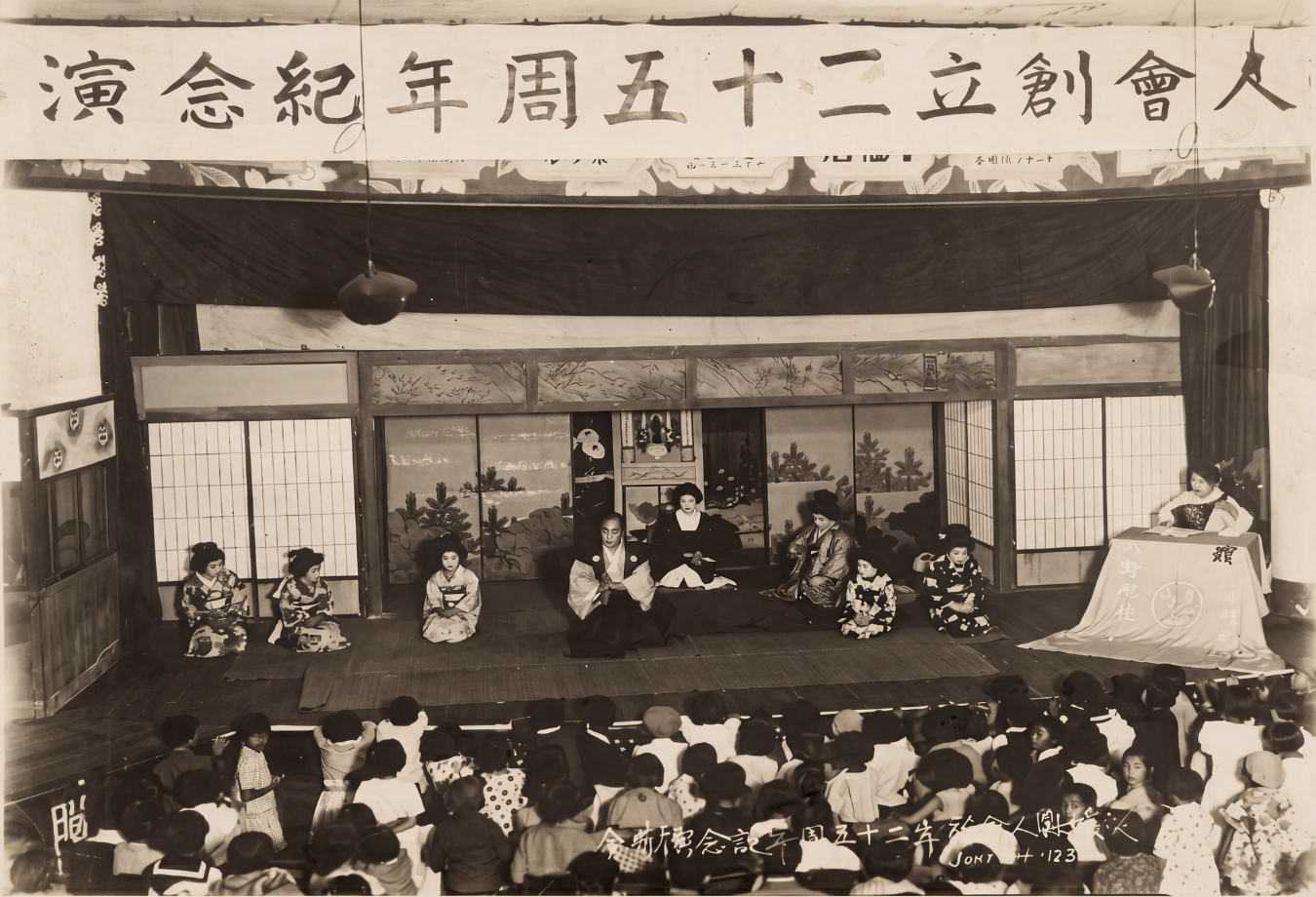
Kabuki, Noh, and the stages of Nihonmachi.
Kabuki, the highly stylized dance-drama of vivid costume, iconic characters, and choreographed gesture that emerged in 17th-century Kyoto, was for decades a living tradition in Seattle rather than a distant import. The Nippon Kan Theatre, built by the community in 1909 in what is now the Chinatown-International District, was the cultural heart of Nihonmachi for over three decades: it hosted kabuki performances, visiting musicians and singers from Japan, judo and kendo competitions, and even the Seattle Symphony — on a pay-what-you-can basis. The theater was boarded up in 1942 when its community was incarcerated, restored in 1981, closed again in 2005, and reopened in 2024 as a performance venue once more. Its original 1909 stage curtain survives and is now displayed at the Tateuchi Story Theatre at the Wing Luke Museum.
The Pacific Northwest's other major Japanese American theater tradition was contemporary rather than classical: the Northwest Asian American Theatre (NWAAT, 1972-2004) began as a University of Washington student group and grew into the region's flagship Asian American theater company, premiering Gary Iwamoto's Miss Minidoka 1943 in 1987. NWAAT's archive of nearly 200 videotapes, documenting three decades of Asian American performance in Seattle, is held by the Wing Luke Museum. Listings are in the Cultural Map.
-
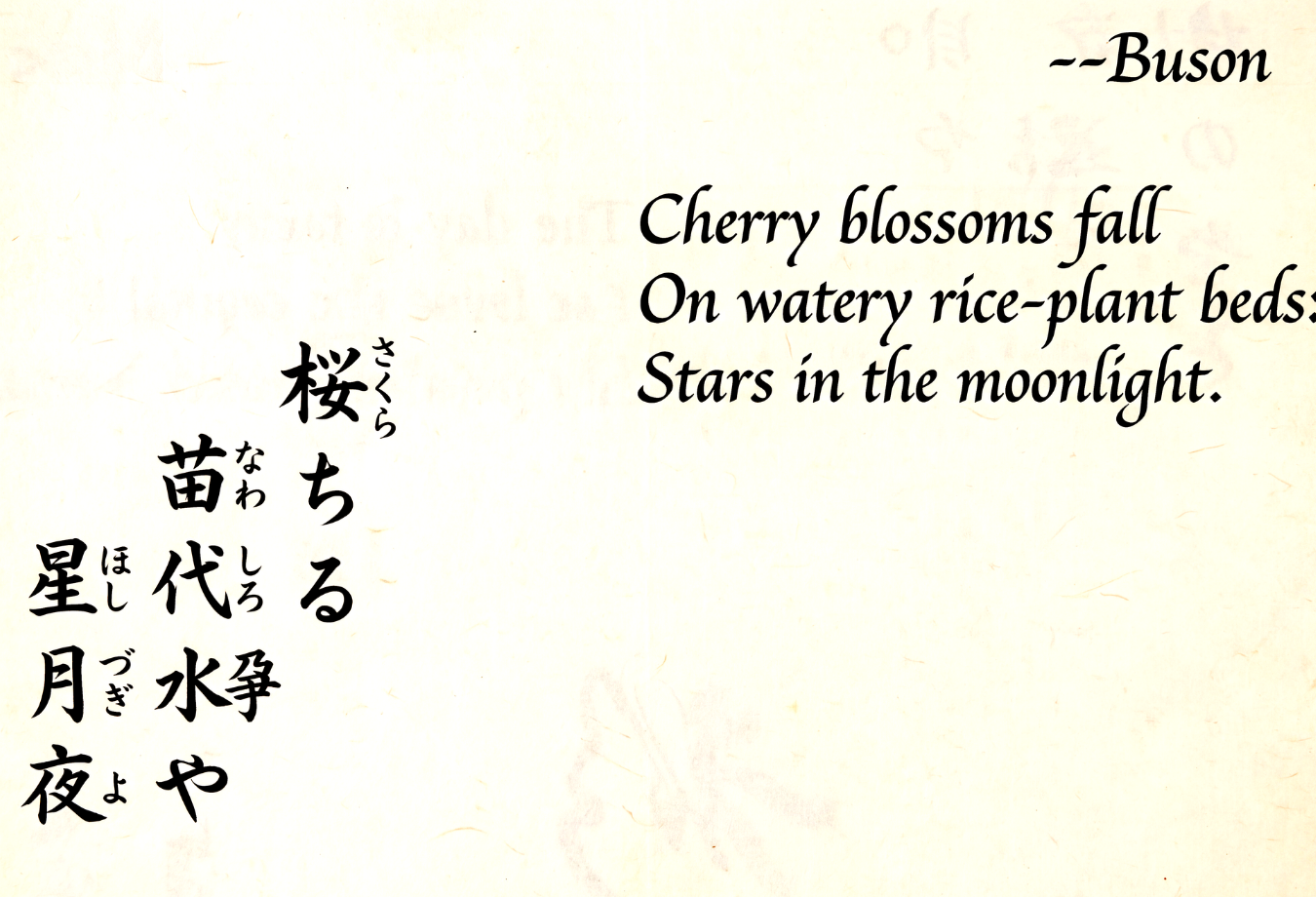
A three-line poem of seventeen syllables.
Haiku is the most portable of all the traditions in this exhibition — a form so compressed that it can hold an entire world in a breath. It developed from the opening verse (hokku) of longer linked-verse poems (renga) in medieval Japan, and was elevated into an independent art by poets such as Matsuo Basho in the 17th century, whose attention to the natural world, the seasons, and the fleeting present remains central to the form.
Haiku Northwest was founded in the Seattle area in 1988 by Francine Porad and has won multiple Haiku Society of America Merit Book Awards, most recently for its 35th anniversary anthology Glimmering Hour (2024). ‘In our poems and discussions, the group tries to get beyond the cloud of surface facts, to see the deep stillness within the everyday,’ writes Haiku Northwest.
The Rainier Ginsha Haiku Club was founded in Seattle in 1934 by the Japanese immigrant journalist Kyou Kawajiri, who set out to write haiku reflecting the local color of a new environment. Its commitment did not waver during the WWII incarceration: members formed the core of the 158-person Minidoka Haiku Society, which in 1945 published Kusazutsumi, a collection of 1,139 haiku written in the camps, among the most significant literary records of that experience in the country. The club has met continuously ever since, publishing in local newspapers. These two groups join the Star Festival table all three days of the fair weekend.
Beyond these two groups, the Puget Sound Sumi Artists' Haiga Adventure Study Group, co-founded by Fumiko Kimura and Voski Sprague in dialogue with Northwest poet Sam Hamill, has brought haiku into conversation with sumi-e and calligraphy at the annual Haiku Northwest Getaway in Seabeck since 2011 — a further example of how these traditions in our region tend to grow toward one another rather than remain separate.
Artist profiles: Michael Dylan Welch — poet and haiku scholar, co-founder of the American Haiku Archives, director of the Seabeck Haiku Getaway, officer of Haiku Northwest. See full profile in Section 6. Rainier Ginsha Haiku Club: rainier.ginsha90@gmail.com | Haiku Northwest: haikunorthwest.org
-
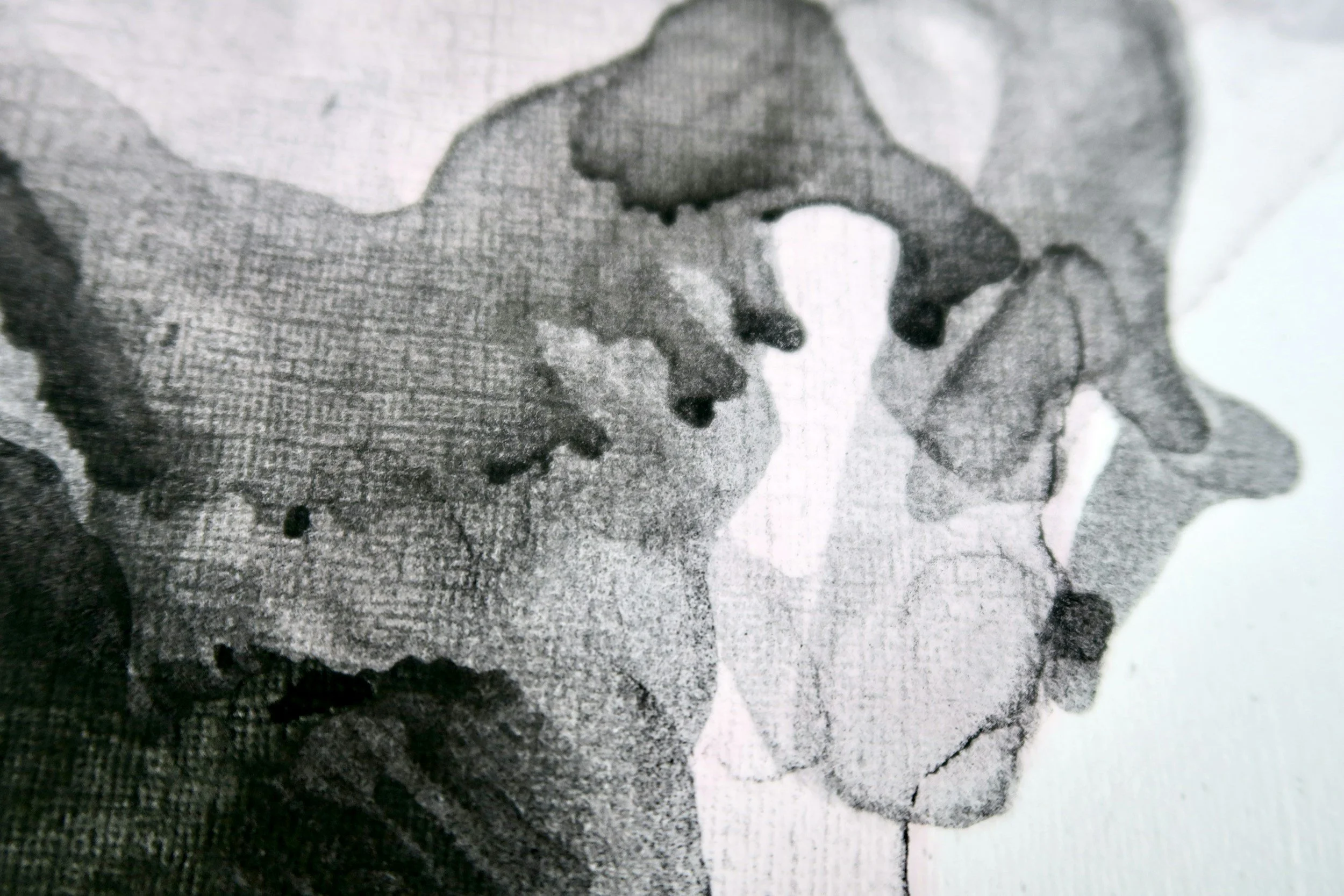
Sumi (ink) + e (picture or painting). Ink-wash painting.
Using a brush and black ink ground on an inkstone, sumi-e creates images characterized by simplicity, spontaneity, and economy of line. Empty space is not absence but an essential element of the composition — a principle shared with shodo and rooted in the same Zen Buddhist aesthetic. The tradition arrived in Japan from China by way of Zen monasteries around the 14th century and became deeply intertwined with Zen practice itself. The brushstroke, made in a single uninterrupted gesture without correction, was understood as a direct expression of the painter's state of mind in that moment. Sumi-e artists here have developed the form in dialogue with the landscape and communities of the greater Puget Sound for generations.
Link: Puget Sound Sumi Artists (sumi.org). Additional sumi-e practitioners are listed in the Artists and Arts Groups Directory.
-
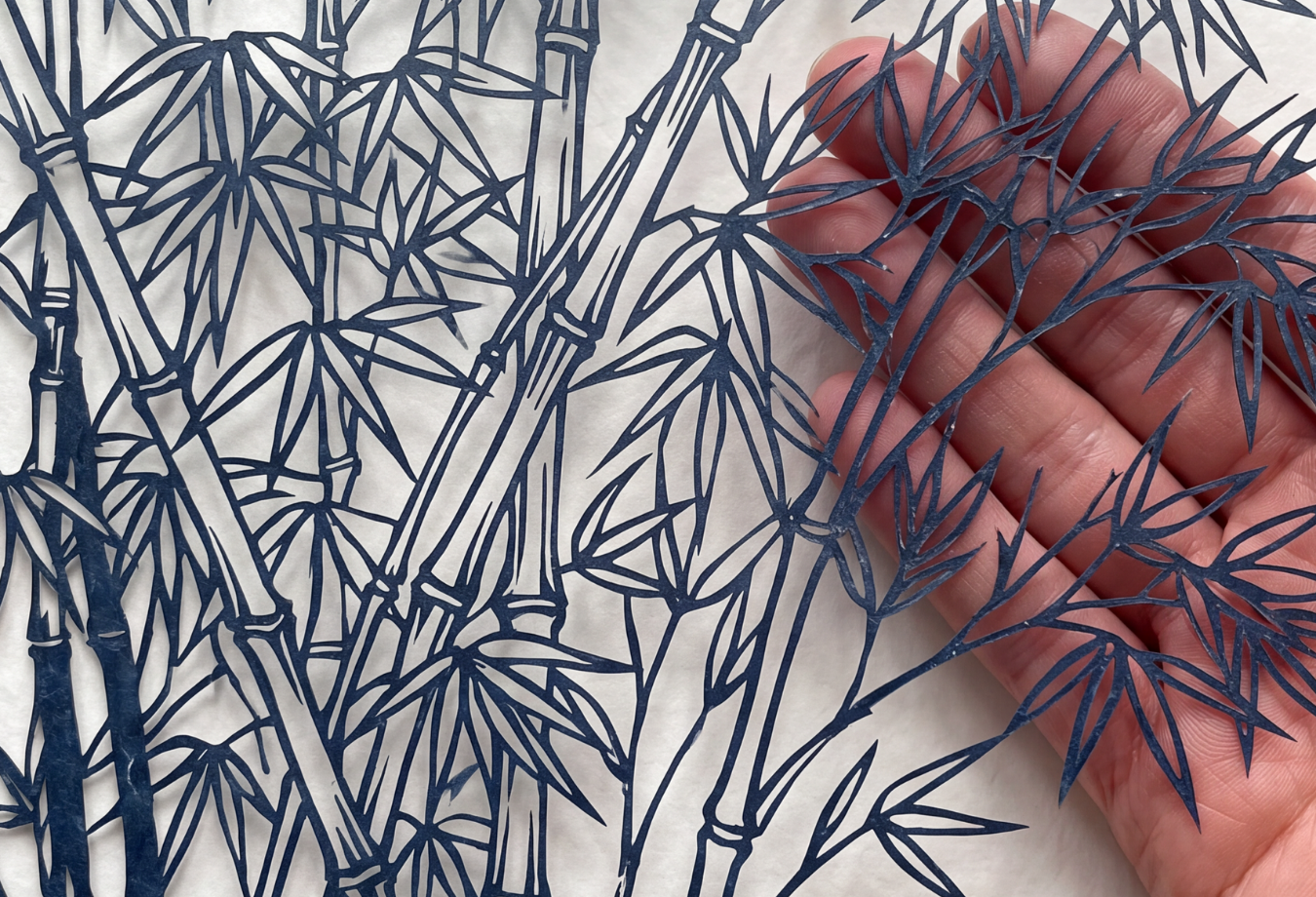
Kiri (to cut) + e (picture). Paper cutting.
The art of kiri-e is made with scissors or a craft knife, cutting intricate images from a single sheet of paper. The technique has roots in the broader Japanese tradition of paper arts (washi-zaiku) and in silhouette-cutting traditions practiced across East Asia for centuries, in which an entire scene — sometimes astonishingly detailed — emerges as a play of positive and negative space from a single uncut sheet.
Aki Sogabe brought kiri-e to the Pacific Northwest in 1978. Born in Ehime Prefecture, Japan, she trained in traditional Japanese cut-paper art before immigrating to the United States, where she developed a practice that brings this traditional technique into dialogue with contemporary Pacific Northwest life and Japanese American history. Her five-panel Song of the Earth mural at Pike Place Market, created in collaboration with poet Lawrence Matsuda, commemorates the Japanese American farming community whose labor shaped this region — the same community honored throughout this exhibition. Works by Sogabe are held in collections at Mitsubishi International Corporation, the University of Oregon, and the Washington State Arts Commission. In 2025 she received Japan’s Foreign Minister’s commendation for her decades of cultural bridge-building between Japan and our communities here.
-
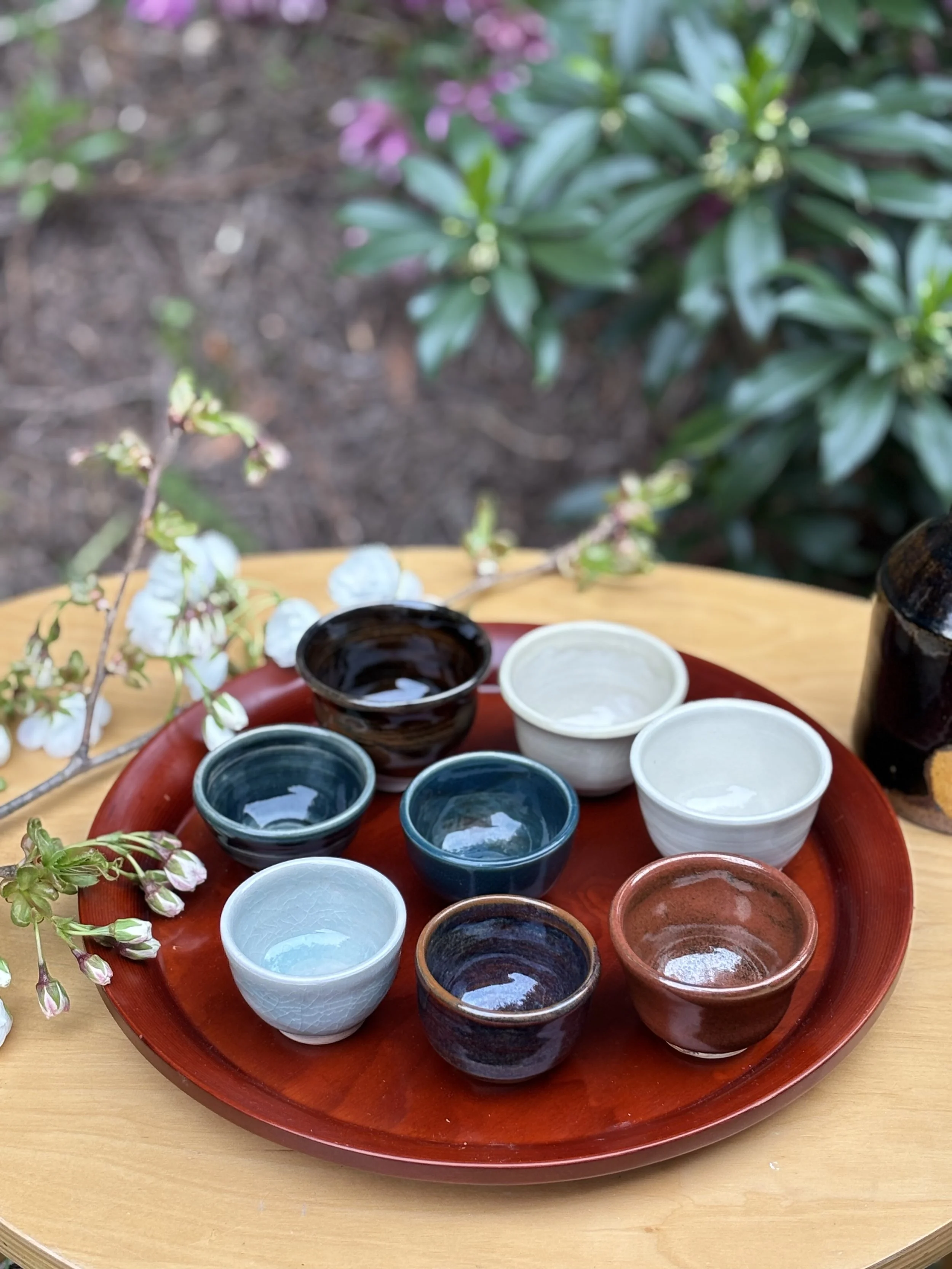
To (pottery) + gei (art). The art of pottery.
Japanese ceramic traditions span thousands of years, from the cord-marked Jomon vessels of prehistory to the regional kiln traditions — Bizen, Mino, Karatsu, and many others — that developed distinct clays, glazes, and firing methods tied to their local landscapes. The philosophy of wabi-sabi — finding beauty in imperfection, asymmetry, and the marks of time — is central to Japanese ceramics, particularly the raku tradition developed for the tea ceremony, where a tea bowl's irregularities are valued as evidence of the maker's hand and the unpredictability of the kiln. Shoji Hamada (1894-1978), designated a Living National Treasure of Japan and a central figure of the mingei (folk-art) movement, championed the idea that everyday, functional objects made by hand carry their own form of beauty — a philosophy that traveled to the United States through Hamada's own visits and through the generation of studio potters he influenced, including those who shaped ceramics at the University of Washington.
Takako Mollicone and Cameron Yuki's ceramic works are rooted in this tradition and deeply intertwined with daily life, transforming routine actions like eating, drinking, or flower arranging into moments of mindfulness. Their work is on view at the ceramics demonstration at Avenue Bellevue on Saturday July 25.
Links:
Takako Mollicone (instagram.com/studiotakako) (studiotakako.com) | Cameron Yuki (instagram.com/yukiceramics) | Akiko Graham (akikospottery.com ) | Eastside Pottery | Kokanee Clay StudioIn memory of Reid Ozaki (1951-2024), the Tacoma-based studio potter whose fifty-year career wove together ceramics, ikebana, and chanoyu — the practices at the heart of this section. Born in Hilo, Hawaii, Ozaki taught pottery at Tacoma Community College for nearly twenty-five years, exhibited regularly at KOBO Gallery and had work collected by the Smithsonian American Art Museum.
-
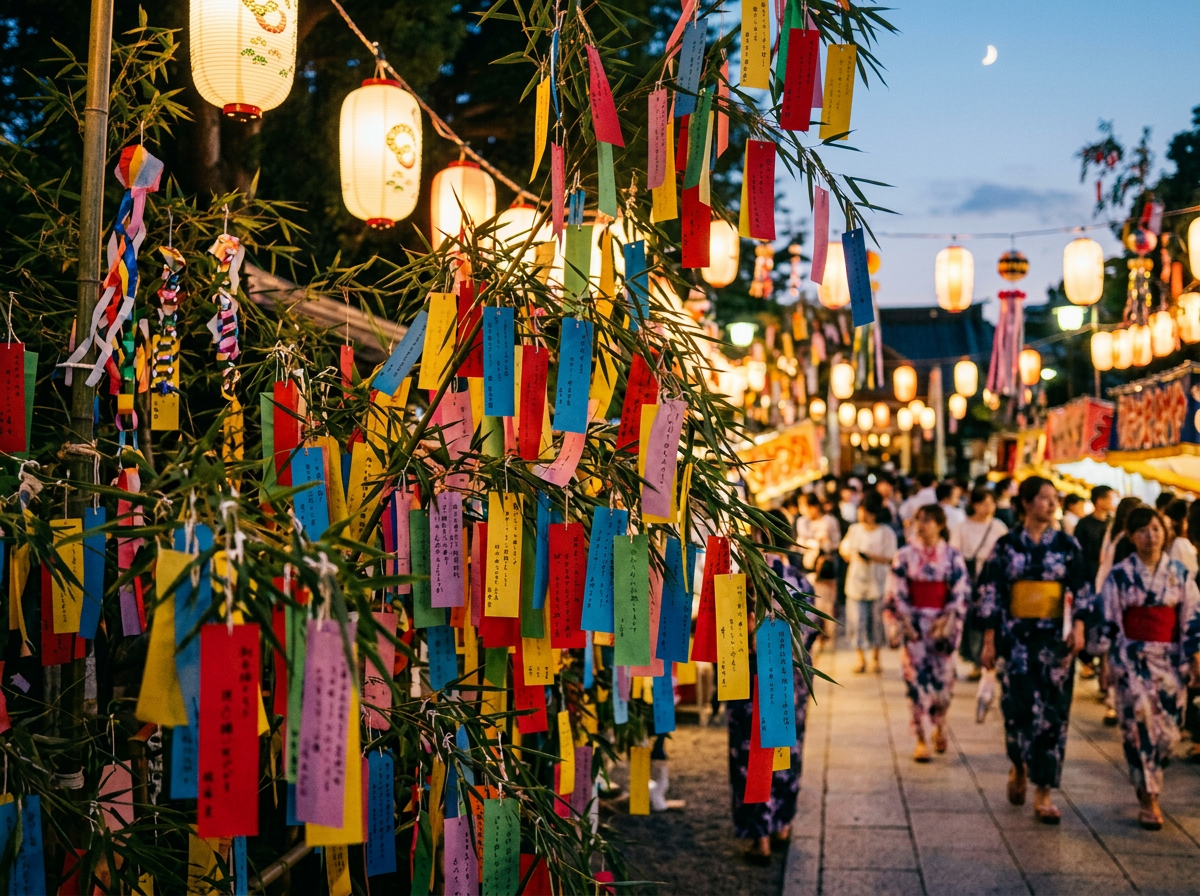
The Star Festival. Paper wishes hung on bamboo.
Long ago, the story goes, a weaving princess named Orihime spent her days making beautiful cloth beside the River of Stars, the band of light we call the Milky Way. On the other side of the river lived a cowherd named Hikoboshi. The two fell in love and married, but they were so happy together that Orihime stopped weaving and Hikoboshi let his cattle wander off. Orihime's father, displeased, separated the couple, placing the river between them so they could not meet. Moved by Orihime's grief, he relented just enough to allow the two to cross the river and meet once a year, on the seventh night of the seventh month, when a flock of birds spreads its wings to form a bridge across the stars. If it rains and the birds cannot fly, the lovers must wait another year. That night is Tanabata, the Star Festival, celebrated in Japan for over a thousand years and kept alive by Japanese American communities in the Pacific Northwest.
On Tanabata, people write their wishes on colored paper strips called tanzaku and hang them on bamboo so the stars can see them. At the 2026 Bellevue Arts Fair Weekend, hundreds of paper wishes from Bennett Elementary and Japanese Dual Language preschools across Bellevue will be installed around the Bellevue Arts Museum.
The tanzaku at this year's fair come in five colors, each carrying its own traditional meaning from the gosaiki (five-color) tradition: white for honesty, purple for wisdom and aspiration, red for gratitude toward ancestors and family, blue for benevolence and compassion toward all living things, and gold for trust, abundance, and good fortune. Visitors are invited to work with haiku poets and calligraphers during the arts weekend to add their own wish to the community display.
-
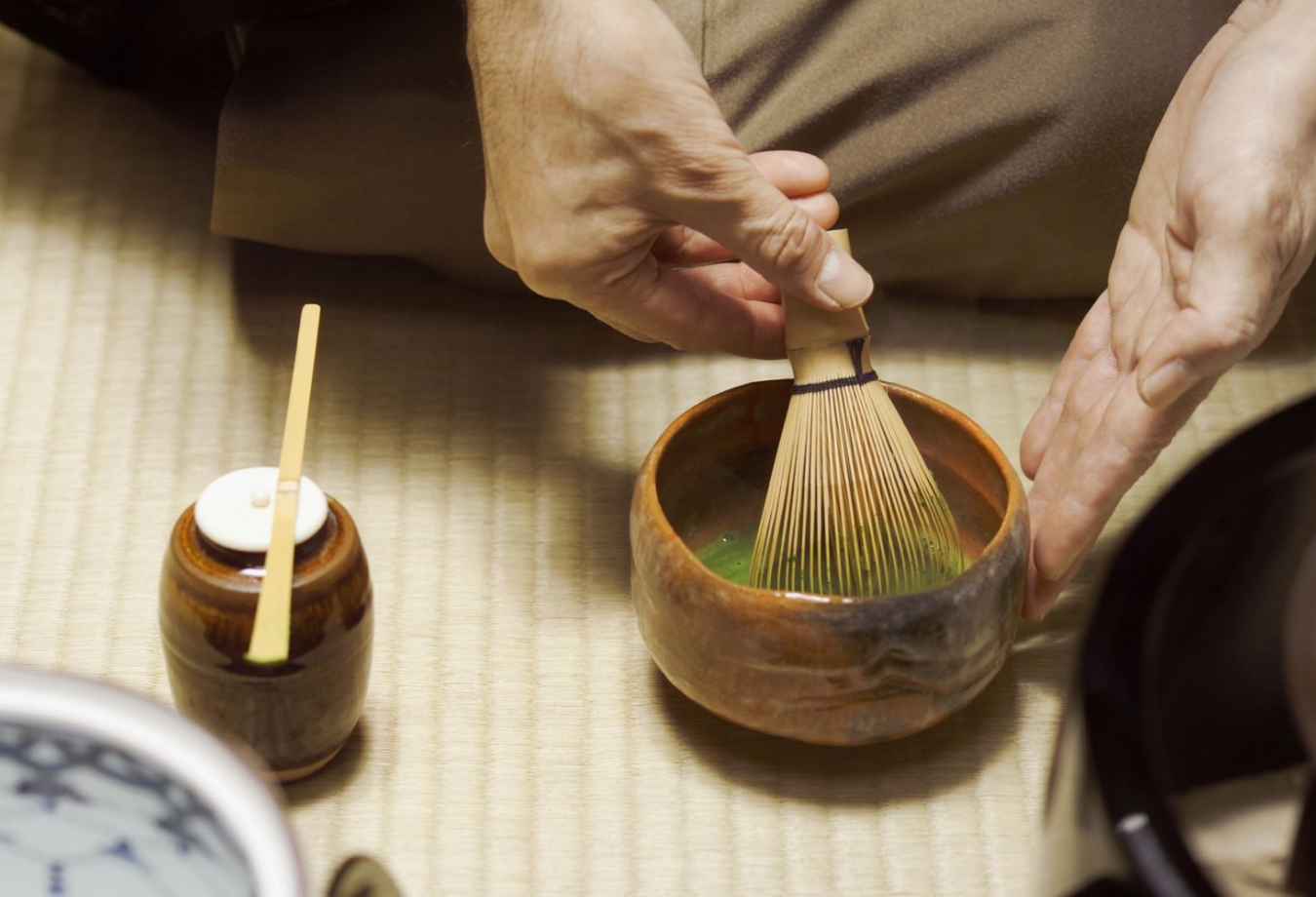
Cha (tea) + do (way). The way of tea.
The tea ceremony is one of Japan's most profound aesthetic and philosophical practices, rooted in the principles of harmony, respect, purity, and tranquility. Tea drinking arrived in Japan from China alongside Buddhism, but it was the 16th-century master Sen no Rikyu who refined chanoyu into the disciplined, contemplative form practiced today, developing the wabi-sabi aesthetic of simplicity, humility, and rustic beauty. Schools descending from this lineage, including Urasenke and Omotesenke, continue to teach chado as a comprehensive practice encompassing not only the preparation and serving of tea but architecture, ceramics, calligraphy, flower arrangement, and seasonal awareness.
The chado tradition extends throughout the Pacific Northwest through practitioners, schools, and community groups: the Seattle Japanese Garden's Shoseian Teahouse — rebuilt after a 1973 fire and reopened in 1981 by the Urasenke Foundation of Kyoto — hosts one of the most active tea ceremony programs in North America. The East-West Chanoyu Center in the CID maintains the Zuishīn’an tearooms, the first in the Pacific Northwest to offer year-round public access to tea ceremony. The Japanese Cultural Resource Center at Everett Community College hosts a traditional tea room seating 20 people, fully ADA accessible. The Seattle Art Museum maintains a Japanese Tea House within its galleries. All venues above are pinned in the Cultural Map.
Chado Urasenke Tankokai Seattle Association, the Seattle chapter of Chado Urasenke Tankokai, is a nonprofit dedicated to the study, practice, and appreciation of Urasenke Chado across the greater Seattle area, offering lessons, demonstrations, and public presentations. It practices at the Shoseian Teahouse in the Seattle Japanese Garden.
Other tea groups active in the greater Seattle area include Chanoyu Seattle, the local Omotesenke branch, which has presented at the Shoseian Teahouse since 2015; Chaboshu, Seattle’s tea group for men, drawing members from several schools and presenting at the teahouse since 2016; and the East-West Chanoyu Center, a teaching center founded in 2012 by Bonnie Soshin Mitchell, the Urasenke Foundation’s longtime Seattle representative, based at the Japanese Cultural and Community Center of Washington.
-
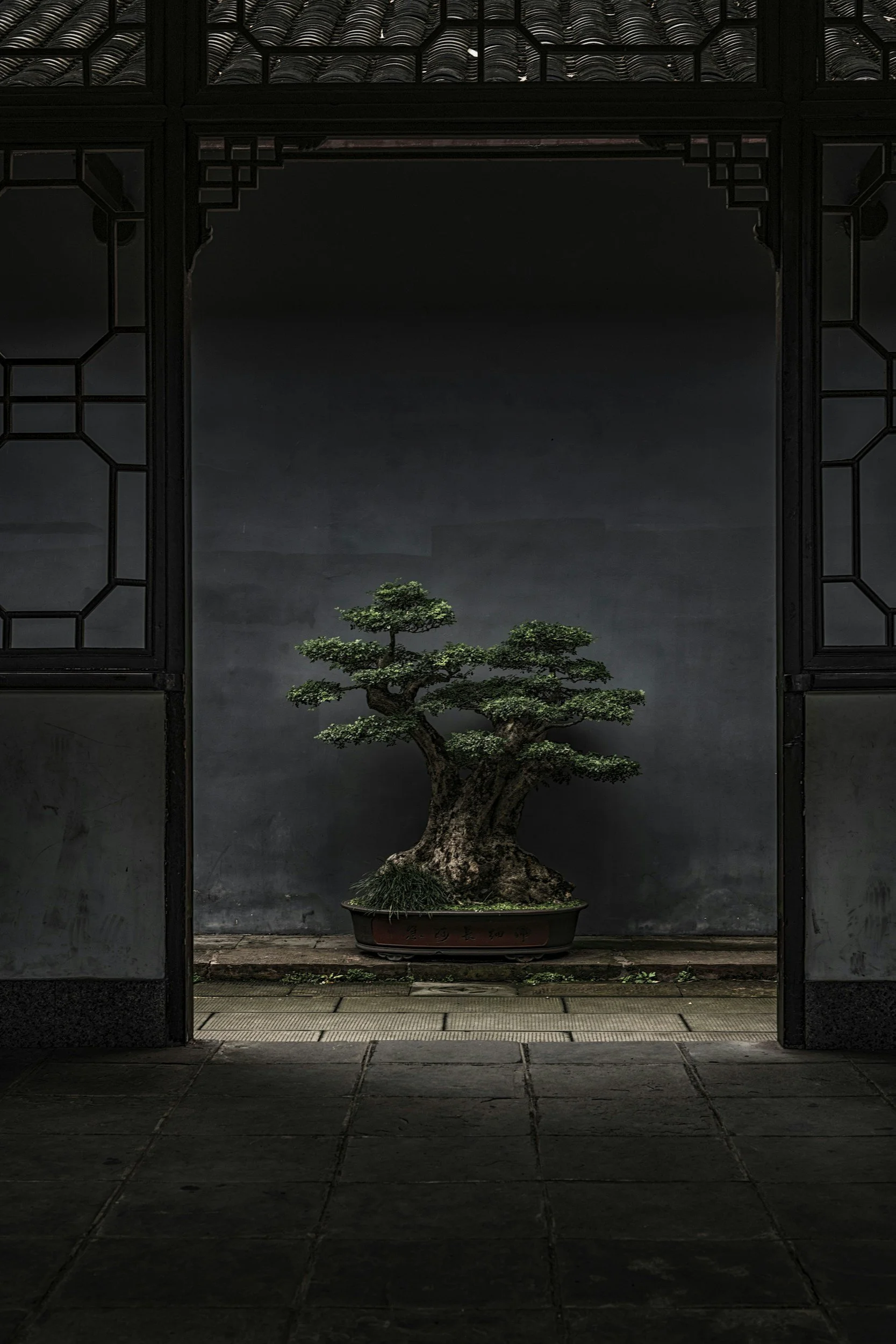
Bon (tray) + sai (planting). A tree, contained.
Bonsai, the cultivation of miniature trees that capture the form and presence of their full-sized counterparts, originated in China over a thousand years ago and was refined in Japan into the art form practiced today, where a tree's shape, container, and accompanying elements such as scrolls or stones are composed together as a single contemplative scene. Like ikebana and chado, bonsai trains the eye toward asymmetry, age, and the changing seasons, while the patient, multi-generational care a tree requires often becomes inseparable from the relationships and histories of the people who tend it.
The Pacific Northwest is home to one of the most significant bonsai collections in North America: the Pacific Bonsai Museum in Federal Way holds over 150 trees, some dating to the 1500s. Its 2020 exhibition World War Bonsai: Remembrance and Resilience examined trees with direct ties to the Japanese American incarceration, displaying them alongside an installation depicting the forced removal of 120,000 Japanese Americans in 1942 — a history that runs throughout this exhibition as well. The Puget Sound Bonsai Association, founded in 1973, sustains bonsai practice and education across the region today. Links: Pacific Bonsai Museum (pacificbonsaimuseum.org) | Puget Sound Bonsai Association (pugetsoundbonsai.org).
Artist Profiles and Community Partners
The artists listed below are part of Living Traditions. Present at the Bellevue Arts Fair Weekend in person — demonstrating, performing, or exhibiting.
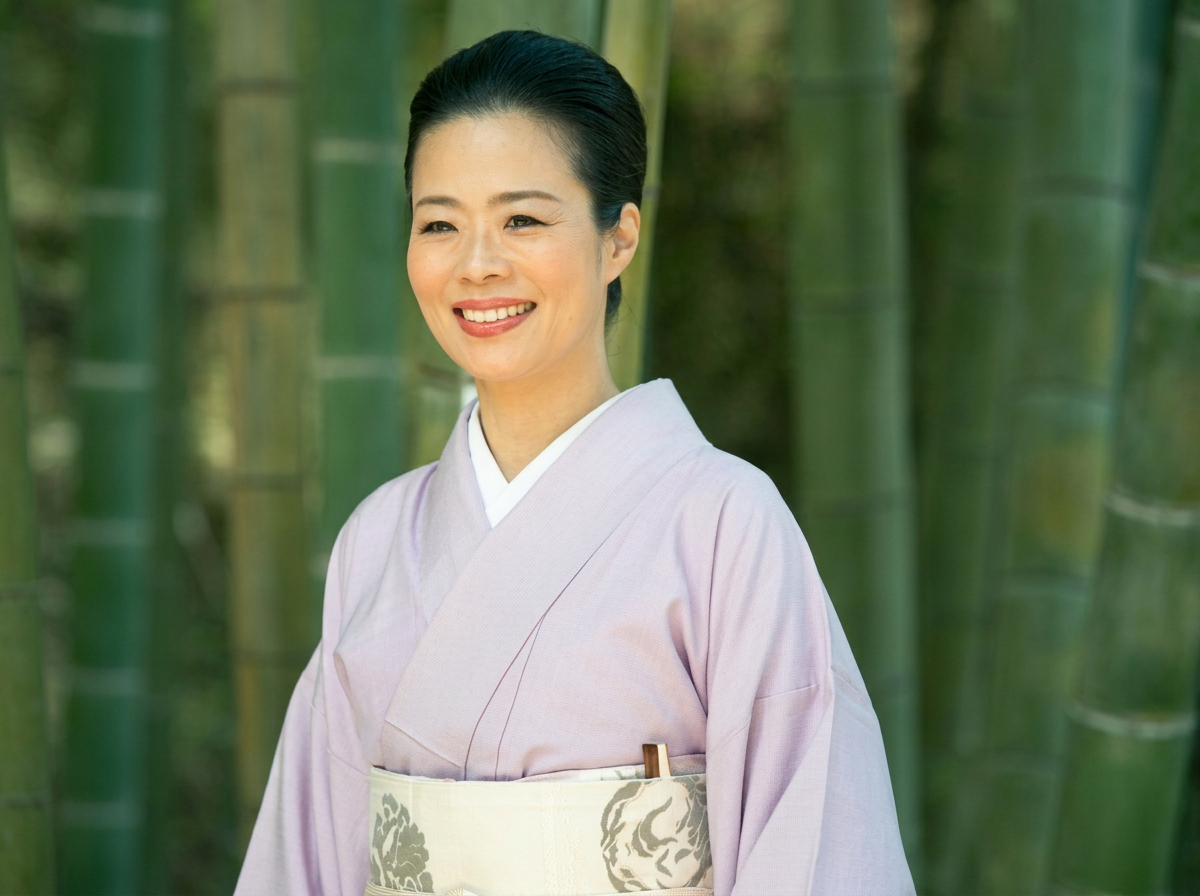
-
Co-curator of Living Traditions. Shizu Usami is a Japanese calligraphy artist. Her mother, a professional calligrapher, taught her the art from a young age, and it became the centre of their relationship and her being. Shizu received her degree in Calligraphy from the University of Teacher Education Fukuoka, as well as curatorial and teaching licences. Later, she joined the Moji Bunka Kenkyu-jyo (Institute for Kanji Script and Cultural Studies), Kyoto, Japan, where she studied the history and culture of the written word in eastern Asia under world-renowned kanji grammatologist and recipient of the Order of Culture, Dr. S. Shirakawa. In 2004, she became the youngest person certified by the institute to teach Shirakawa Grammatology, the basis of modern kanji education in East Asia. She has also studied textile design at the University of the Arts London (Saint Martins, 2009), and her practice spans the United Nations, Microsoft Japan, and international cultural institutions, with calligraphic work vetted by the Imperial Household Agency of Japan.
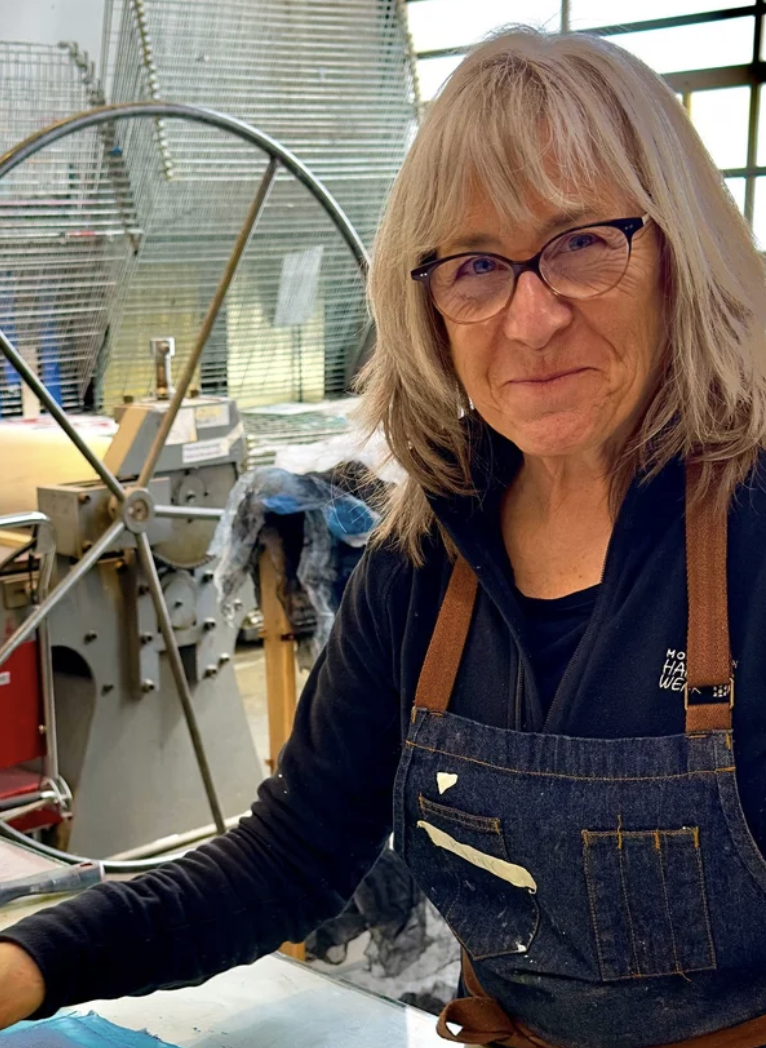
-
Kathleen Hargrave is a printmaker, glass artist, and printmaking educator. She holds a degree in Visual Art from the University of Oregon and has also studied at the University of Washington and the Pilchuck School of Glass. Hargrave has participated in various residencies, including the Mokuhanga Project Space in Walla Walla, Washington, and Constellation Studio in Lincoln, Nebraska. Additionally, she has taught at both the Donkey Mill Art Center near Kona and Pratt Fine Arts in Seattle, WA. Hargrave maintains a studio near Redmond, Washington, where she employs Mokuhanga, pochoir, etching, and other techniques to evoke a sense of place and time in her artwork. She believes exploring diverse printmaking methods enables spontaneity, experimentation, and personal expression. Working with Mokuhanga liberates her from the constraints of a printing press and utilizes sustainable and environmentally friendly materials.
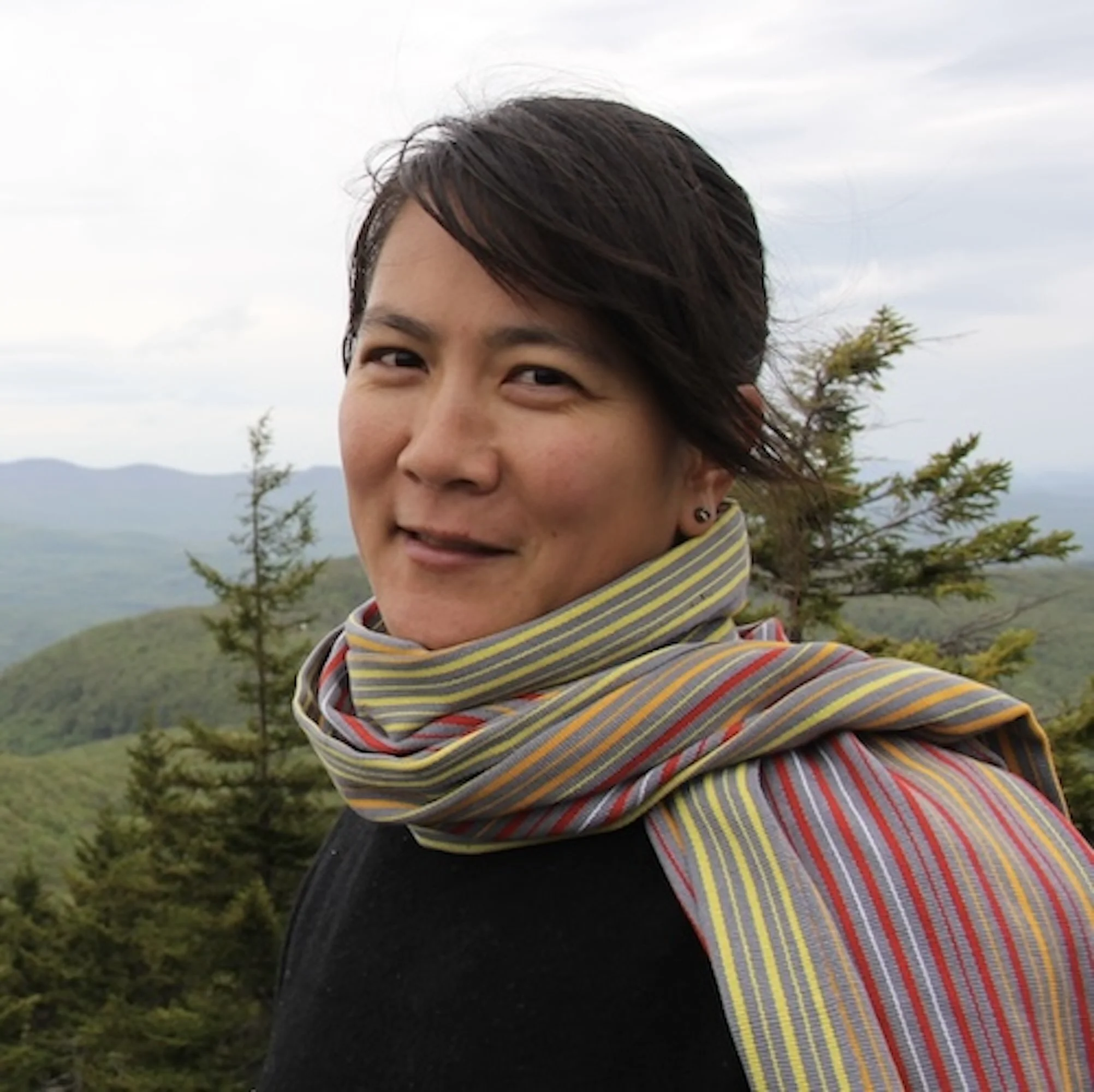
-
Yoshi Nakagawa is a Tacoma-based visual artist, specializing in printmaking since 1999. She pulled her first print at the University of Puget Sound, and honed her craft in Seattle and Oaxaca, Mexico. Her artwork is influenced by patterns of the natural world and Japanese textiles, along with her experiences living in Oaxaca and Japan. She has exhibited and taught workshops regionally and internationally.
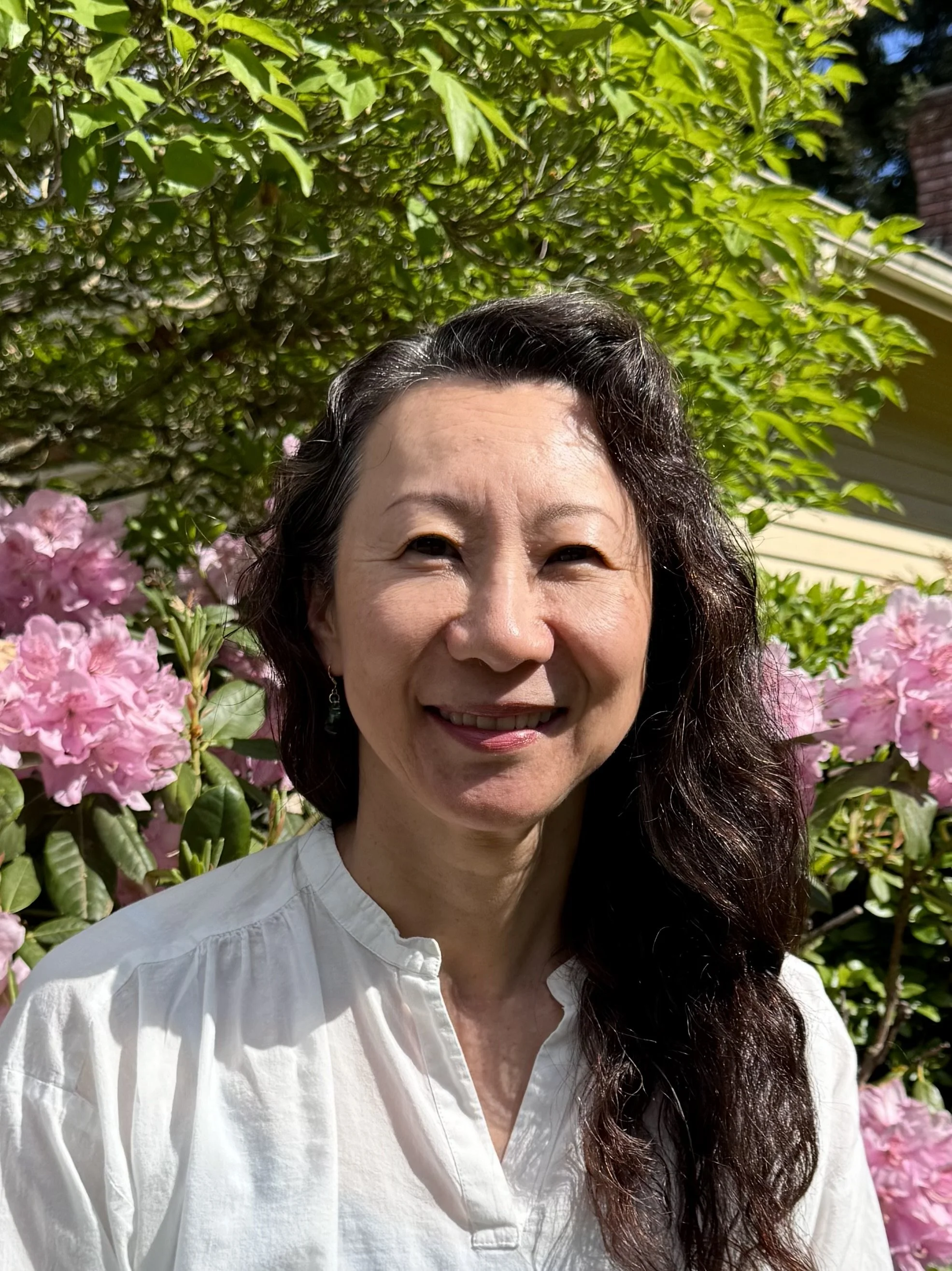
-
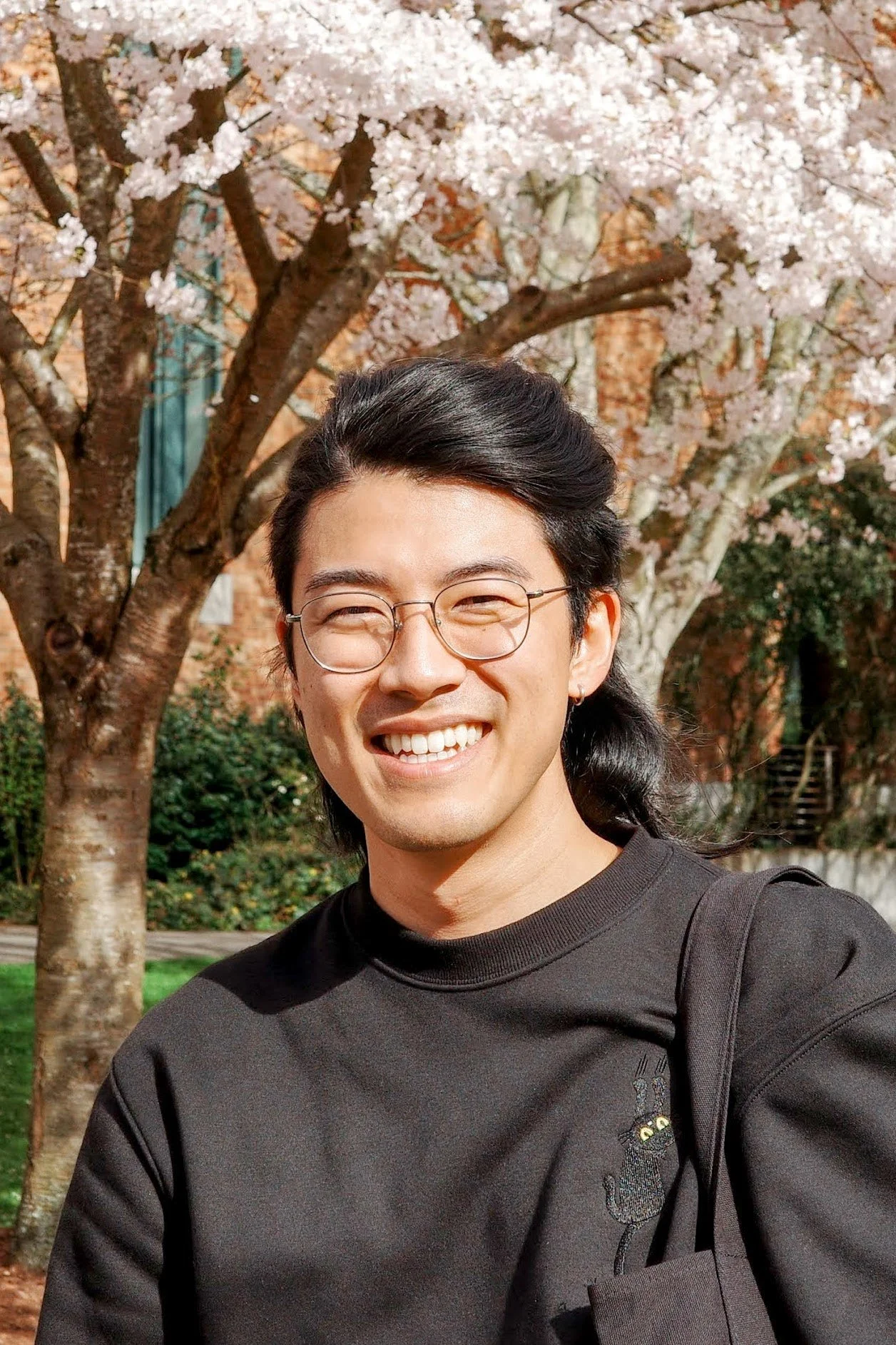
Takako Mollicone is a Pacific Northwest–based potter whose functional vessels invite warmth and beauty into everyday rituals. Originally from Tokyo, she draws on Japanese craft sensibilities while shaping work meant to live comfortably in contemporary life.
-
Cameron Yuki is a Japanese-American ceramic artist and instructor who views the potter's wheel as an intersection of heritage, science, and the natural world. Treating clay as a living medium, he uses the discipline of traditional wheel throwing to explore contemporary ceramic chemistry. His work highlights the evolution of Japanese craft, balancing structural refinement with the organic, unpredictable beauty of nature.
canvas.kirklandartscenter.org/instructors/10682 | instagram.com/yukiceramics
-
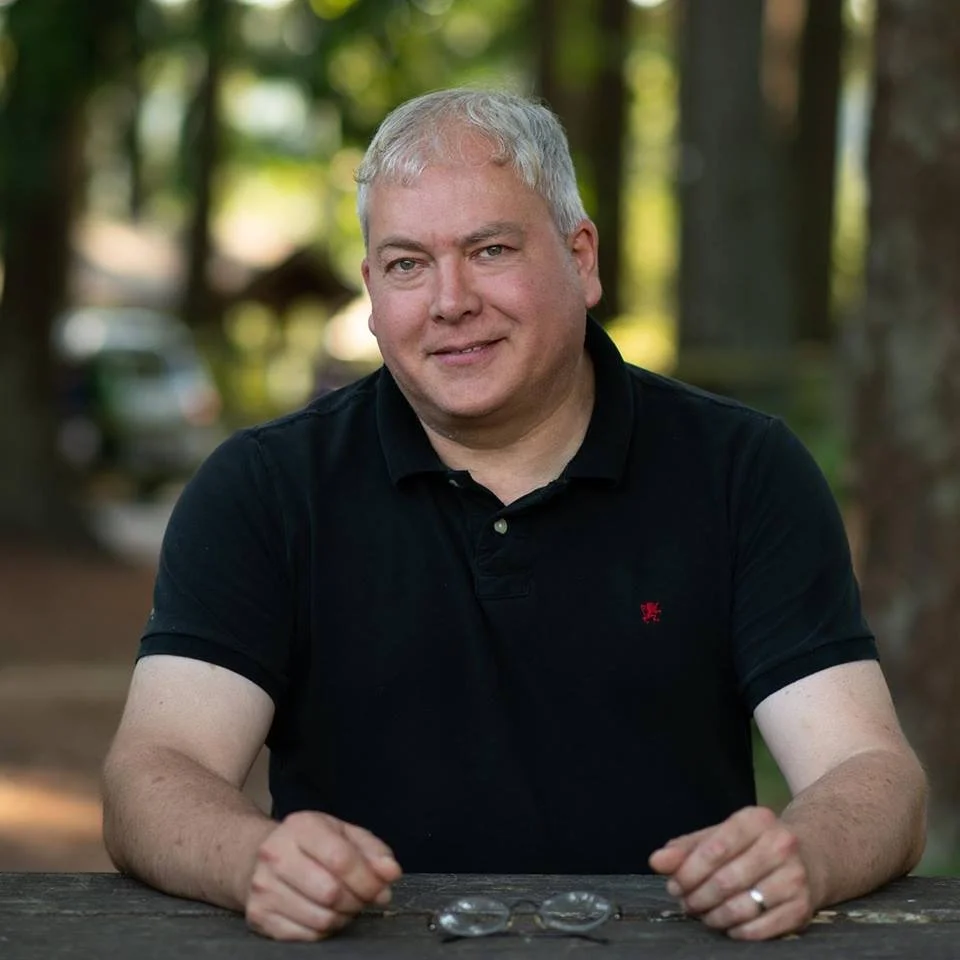
Michael Dylan Welch has written haiku since 1976 and has become one of the form’s most active advocates in North America. He co-founded Haiku North America in 1991 and the American Haiku Archives in 1996, founded the Tanka Society of America in 2000, and serves as an officer of Haiku Northwest. Since 1989 he has edited and published haiku and tanka books through his Press Here imprint, and he created National Haiku Writing Month (NaHaiWriMo). His poems have appeared in hundreds of journals and anthologies in at least twenty languages, and his translations from the Japanese include a collaboration with Emiko Miyashita on 100 Poets: Passions of the Imperial Court, a version of the 13th-century Ogura Hyakunin Isshu, a poem from which appeared on 150,000,000 U.S. postage stamps in 2012. A former poet laureate of Redmond, Washington, he curated the city’s SoulFood Poetry Night for twenty years and judged the Bellevue Japan Fair haiku contest in 2026.
-
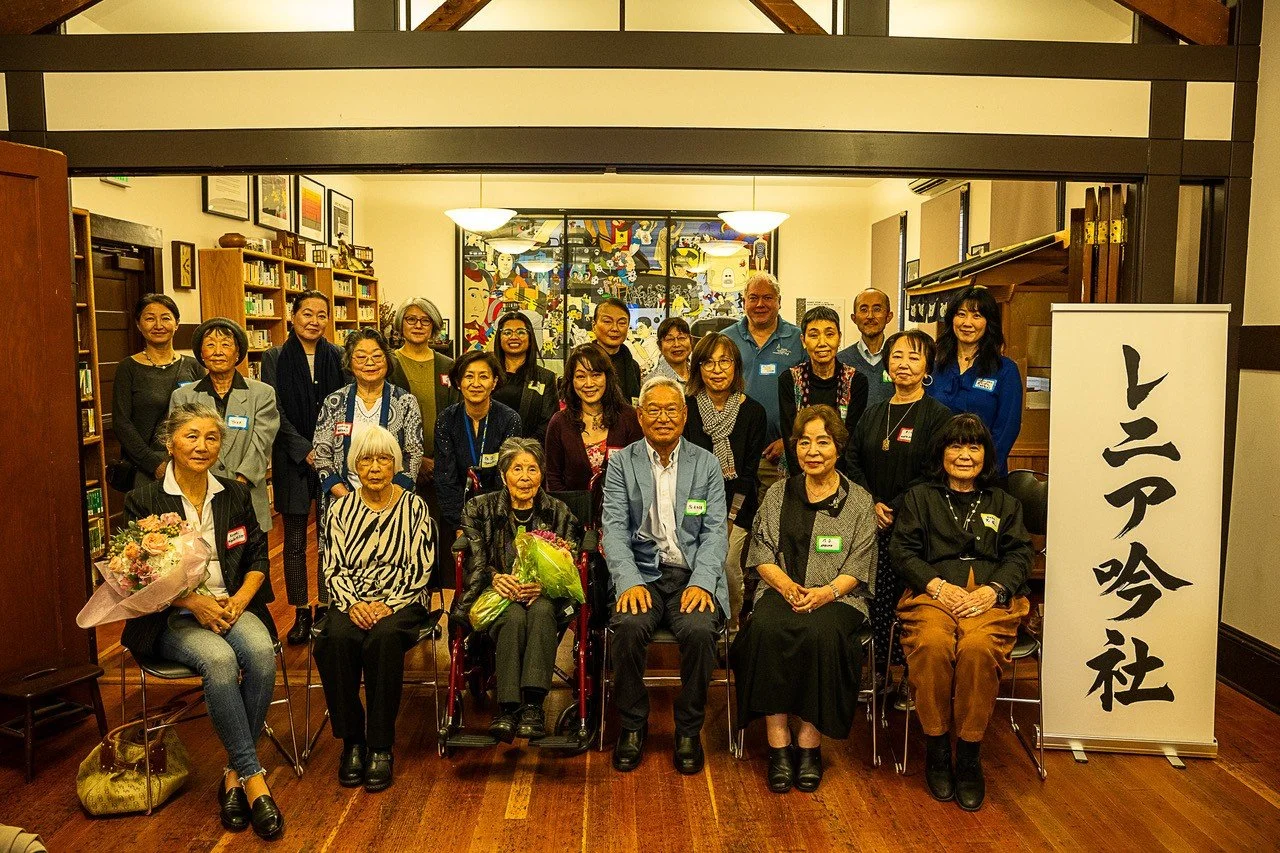
The Rainier Ginsha Haiku Club was founded in Seattle in 1934, and they continued to make haiku in Japanese without interruption, even inside an internment camp during WWII. Today, they meet monthly online and in person at local libraries to share their haiku. Their haiku are published monthly in local Japanese community papers: North American Post and Soy Source. They have about 30 members, most of whom are in the Seattle area, but some participate from Japan and the UK. 幸せに年重ねたり日向ぼこ 笙子 bask in the sunlight— / happily / putting on the years by Shoshi rainier.ginsha90@gmail.com | facebook.com/rainierginsha
-
Haiku Northwest was founded in 1988 by Francine Porad. A friendly group that loves to share and discuss haiku and related poetry, including senryu, haibun, haiga, tanka, and linked forms such as renku and rengay. Monthly Zoom meetings on the second Thursday evening for eight months of the year, four Saturday afternoon in-person meetings at various venues, and an annual Seabeck Haiku Getaway in October. Publishes occasional member anthologies, sponsors the annual Porad Haiku Award, and welcomes new members at any level of experience. New members simply need to share the mission to reach out to the Pacific Northwest community about haiku — no dues, no re-sharing of information. Three haiku from three of the founders: poolside, we chat / about reincarnation; / no longer strangers — Francine Porad nest hole / waiting a wren moment / before it reappears — Marilyn Sandall Me, prone— / after a geoduck, / hand in another world — Helen Russell
haikunorthwest.org | X: haiku_northwest | Bluesky / Instagram / Threads: haikunorthwest
-
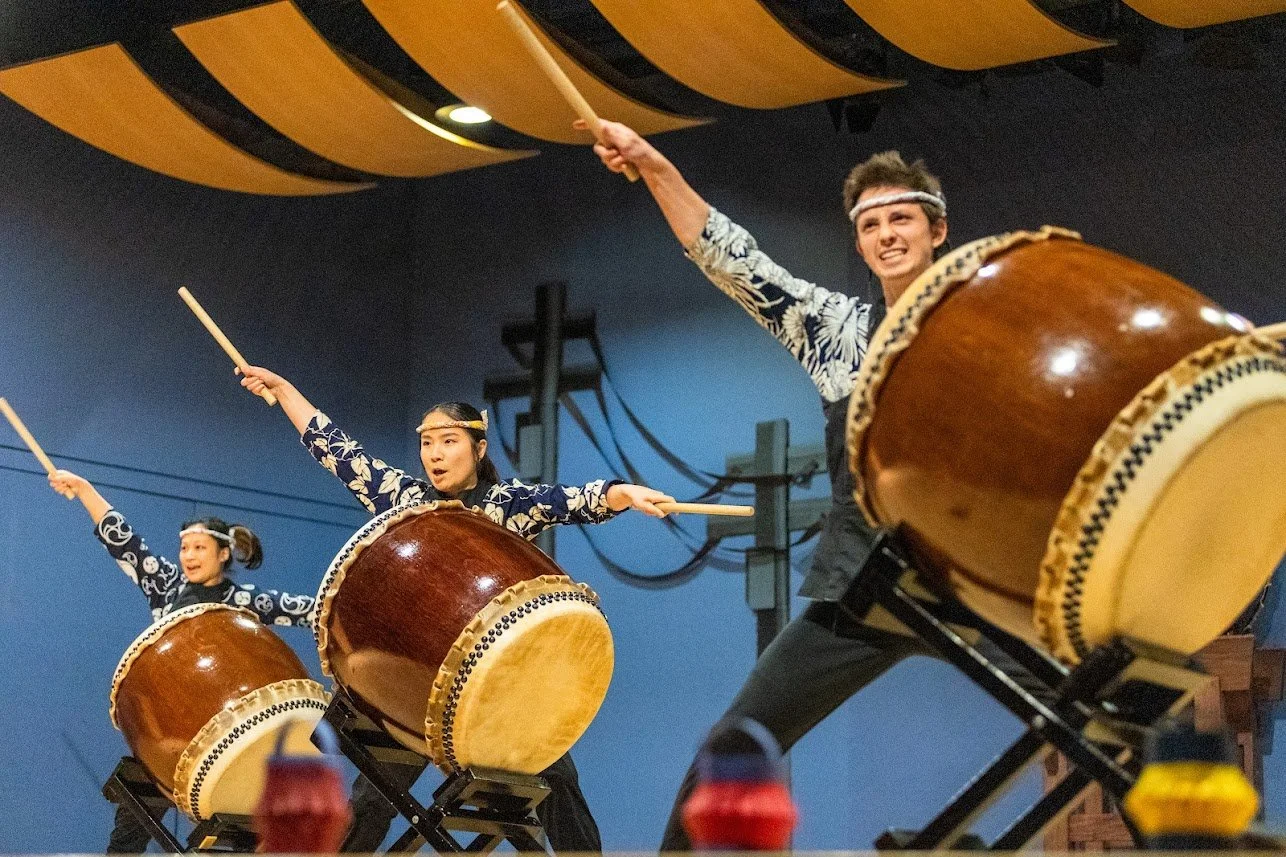
Inochi Taiko is a Japanese-American drumming group that combines traditional and contemporary elements to express passion for the art and celebrate Japanese culture. Inochi was founded in 2003 by Tyrone Nakawatase, Garrett Nakawatase, and Max Honkawa. Now under the leadership of Elias Chanteloup, Inochi strives to push their taiko play to the next level and challenge themselves to be the best taiko players they can be. ‘Inochi’ translates to ‘Life’ which encapsulates the members’ dedication to the group and art form. Their journey represents a commitment to sharing taiko and showcasing the dynamic essence of Japanese- American culture. Opening ceremony performers, NE 6th Street, Friday July 24 at 11am. inochitaiko.com
-
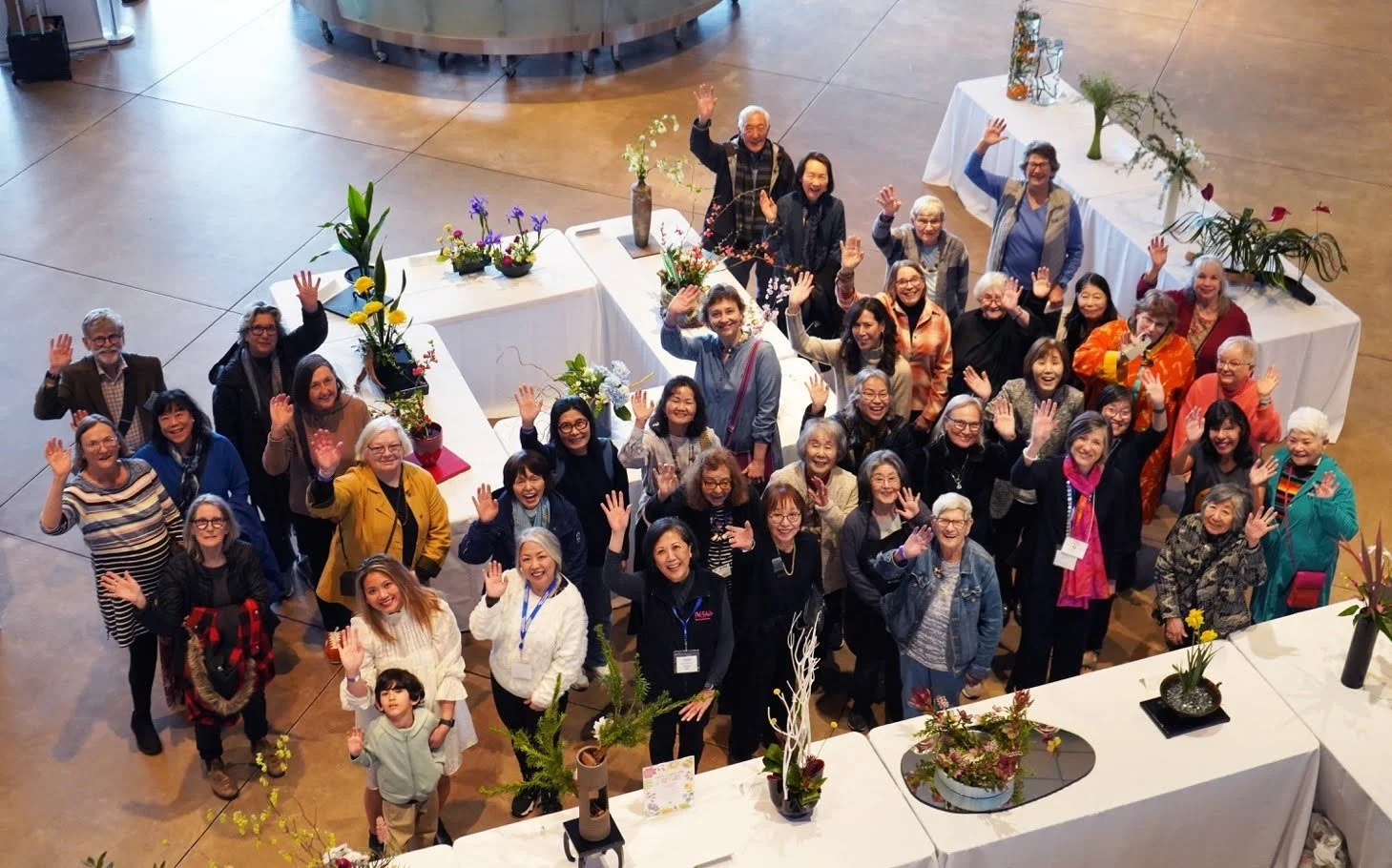
ikebana, founded in 1956 by Ellen Gordon Allen with the dream of uniting people through their mutual love of nature and enjoyment of ikebana. The motto is Friendship through Flowers. Today the organization spans over 44 countries and areas, with nearly 140 chapters and around 7,000 members. Ikebana International does not teach or endorse any single school of ikebana; its members come from many different schools and traditions. Seattle Chapter #19 was established on March 16, 1959 and celebrated its 65th anniversary in 2025. 108 members as of May 2025. President: Machiko Faught.
-
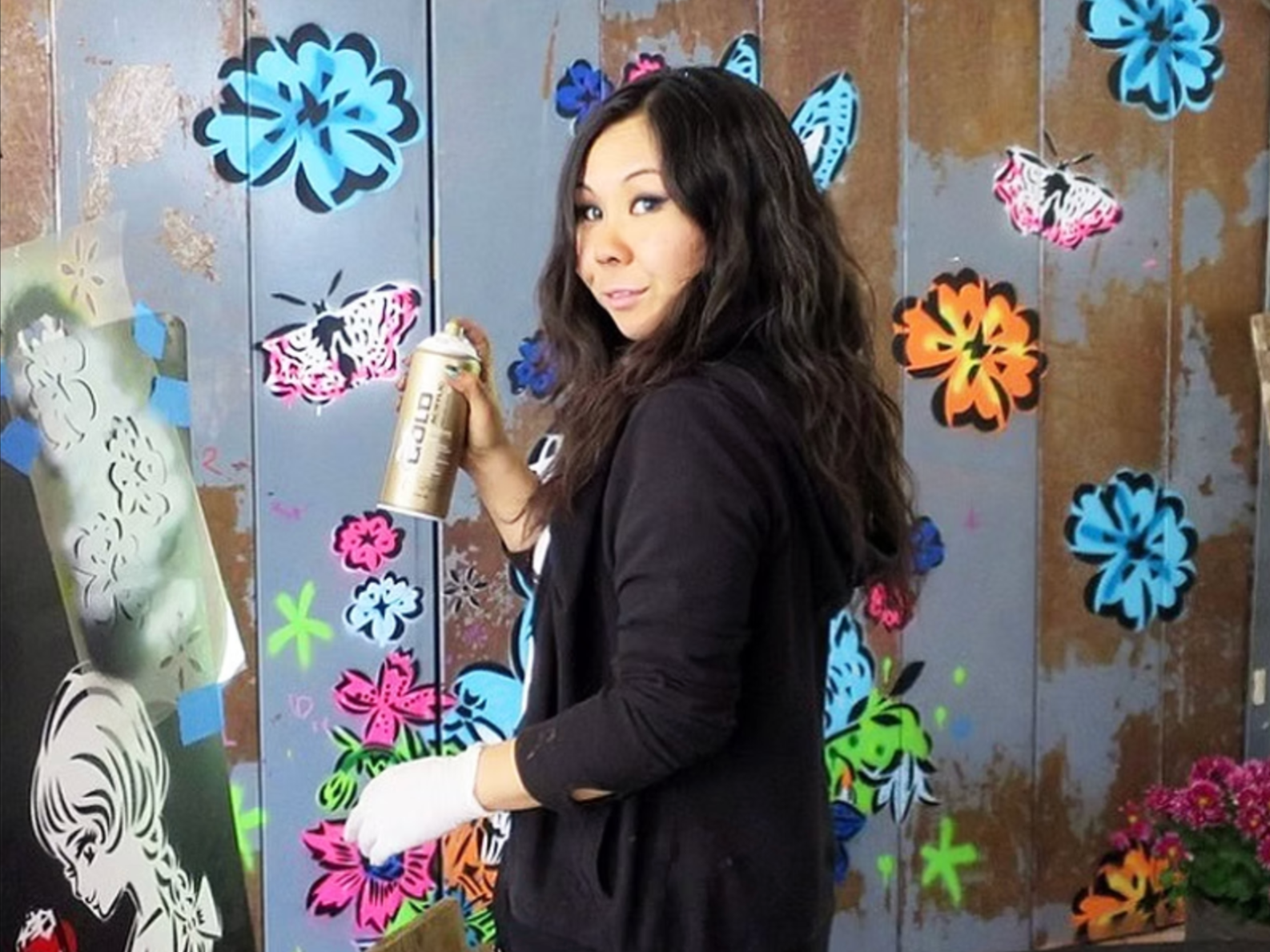
Tokyo-born muralist and visual artist, born and raised in Tokyo before moving to New York City in the mid-1990s. AIKO's art career began when she worked for Takashi Murakami in Brooklyn, before earning her MFA in Media Studies from The New School University. She was a founding member of the influential art collective FAILE, establishing herself as AIKO in 2006. Drawing on Japanese woodblock printing (ukiyo-e), Kawaii culture, and the street art and graffiti traditions of New York, her large-scale works combine stencil, spray paint, collage, and serigraph in a style described as 'joyfully, subversively feminine.' Her murals have been installed in cities from Miami's Wynwood Walls to New York City's Bowery Wall, Dubai, Shanghai, and Johannesburg. She has collaborated with Louis Vuitton, Banksy, Apple, and the W Hotel. In 2018, AIKO created a suite of limited edition woodblock prints with Adachi Hanga in Tokyo, one of Japan's oldest woodblock print publishers. In 2024, her retrospective Girls was presented at Art On Avenue in Bellevue. Creator of three permanent murals (2016) at the W Hotel Bellevue depicting Japanese immigrants and the old strawberry farms of Bellevue. Aiko Gallery at Avenue Bellevue is open to Living Traditions visitors July 24–26.
-
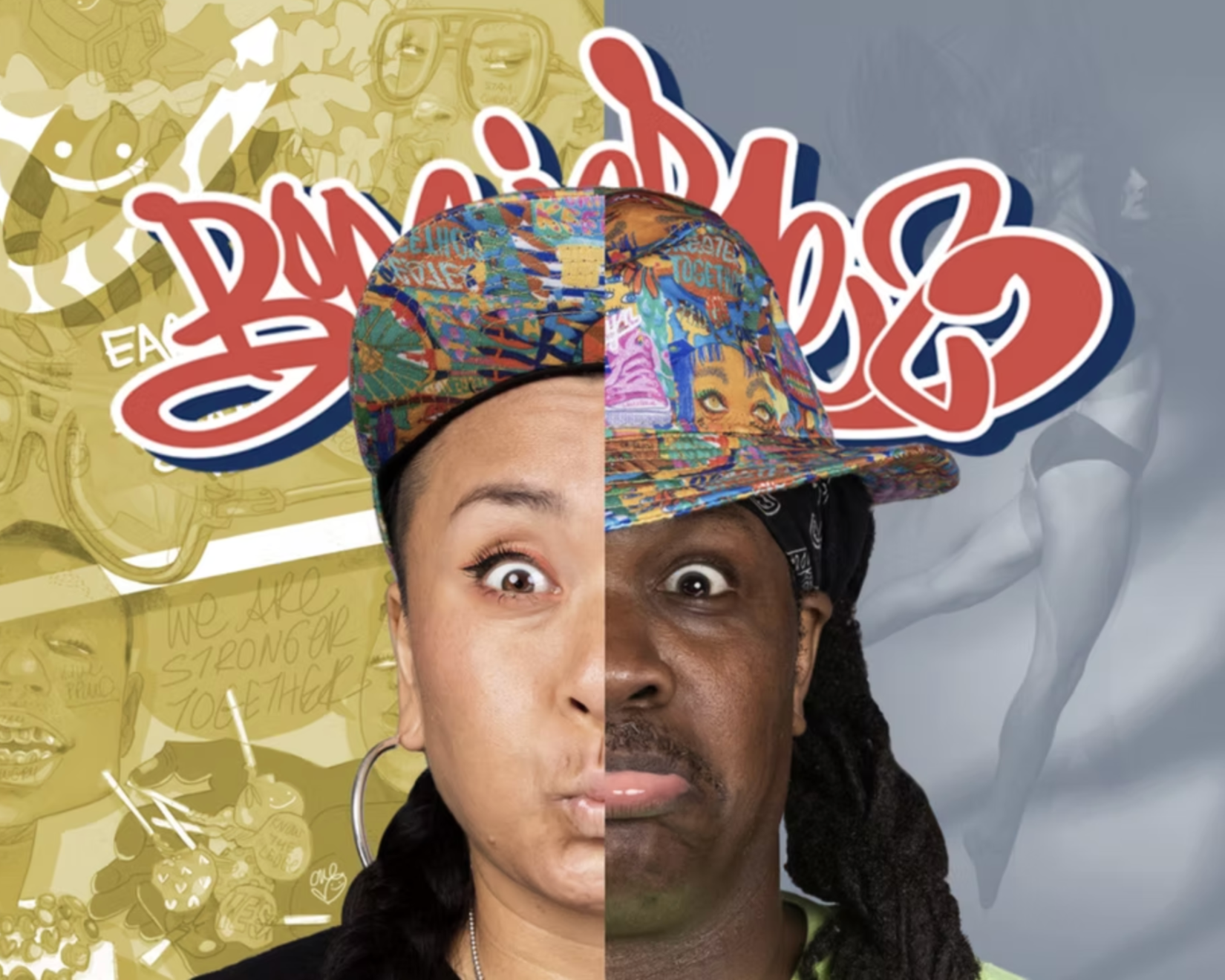
Risa Tochigi (Riiisa Boogie) and TC Weaver (Rezones) are BOOGIEREZ — a dynamic artist duo whose work blends traditional Japanese printmaking with urban imagery, graphic storytelling, and contemporary creative culture. Risa is a Japanese American artist whose creative spirit draws on the technical mastery of traditional Japanese prints, textile, nature, and the flow of street and dance culture. She is an illustrator, painter, maker, and muralist. TC Weaver (Rezones) is a self-taught visual artist who began with graffiti art in the early 1980s, moving through graphic design, photography, and painting. His work draws on hip hop, anime, martial arts, and comic books — crafting imagery that is oddly familiar but strikingly new. Together, BOOGIEREZ has created murals across the United States and internationally. Their Avenue Bellevue activation, Japan Town, hosts Living Traditions artists and demonstrations throughout the fair weekend. ‘We are greater together and are bound by culture.’
-
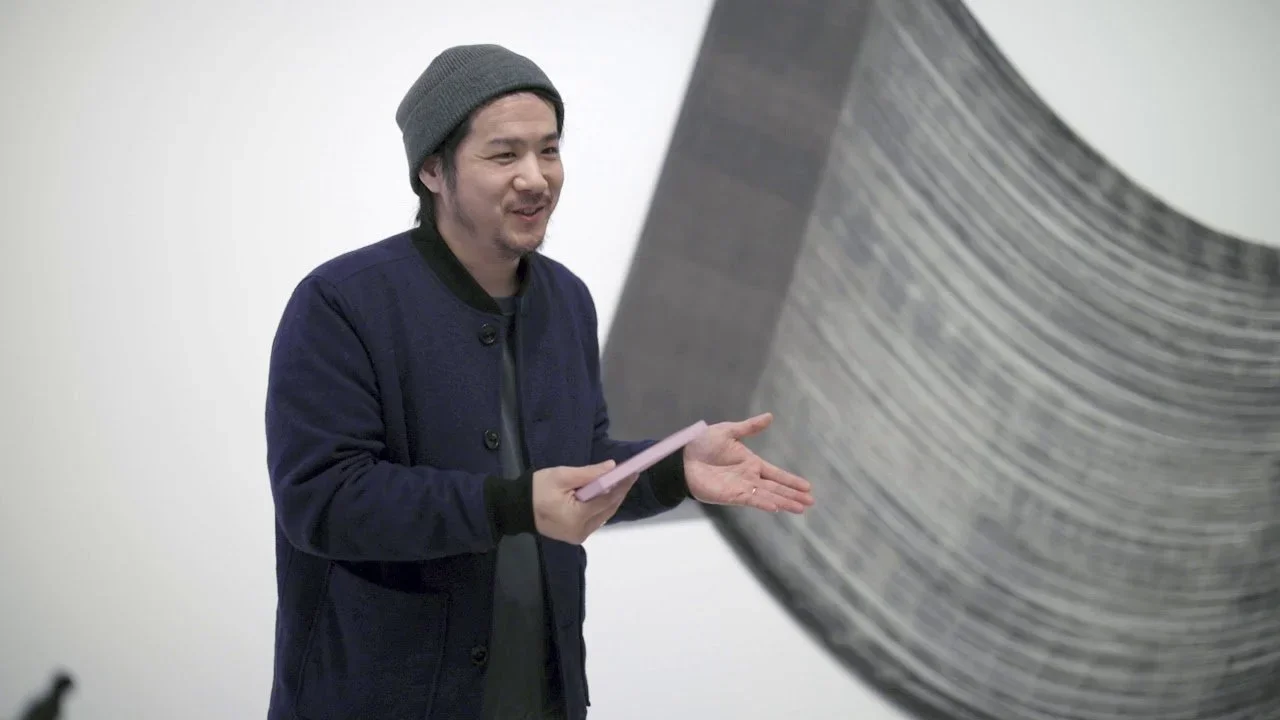
Born in Los Angeles and raised in Tokyo and London, Ko Kirk Yamahira moved to Seattle from New York in 2015. His practice centers on the meditative deconstruction of painted canvases — painstakingly removing individual threads from the weave of the canvas, separating warp from weft, turning a flat surface into a hanging, sculptural form. Through this repetitive, time-consuming process, notions of time and structure blur; the work resides in the interstitial space between two-dimensional painting and three-dimensional sculpture. Yamahira does not prescribe a fixed orientation for his pieces, opening his practice to a form of shared authorship. In his words: ‘The totality of the meaning can be found in the continuation of the process.’ His large-scale installation inhabited the Bellevue Arts Museum Forum from 2018 to 2026 — conceived in dialogue with Steven Holl’s phenomenological design principles and the architecture of the building. Nearly eight years of becoming part of this space, this city, this community. The work comes down in August 2026; the online exhibition preserves its presence in the cultural record of this place. Work in the collections of Microsoft, Facebook/Meta, Port of Portland, City of Bellevue, Frye Art Museum, King County Public Art Collections, and SoHo House. Recipient of the Kayla Skinner Special Recognition Award, Seattle Art Museum (2017), and the inaugural Grand Prize of the Alden Mason Foundation Award. Former member of artist collective SOIL. Represented by Russo Lee Gallery (Portland) and studio e gallery (Seattle). Yamahira's patient attention to what is latent within a material — and his transformation of that material, thread by thread, into a new form — speaks directly to the heart of this exhibition. The Japanese arts celebrated in Living Traditions are surviving threads of a community that was violently unwoven from this place. They were carried forward and they endure. In celebrating these traditions, we are respecting the history of the community that has upheld them. Artist talk to be confirmed, date pending (July 29, 30, or 31).
The following artists are warmly connected to the traditions this project celebrates and are part of the online exhibition.
Aki Sogabe — kiri-e | Chiyo Sanada — calligraphy | Tani Ikeda — Emerging Radiance | Michelle Kumata — Emerging Radiance | Keiko Hara — mokuhanga | Erin Shigaki — public art | Charlie Spitzack — mokuhanga
Community Partners
Grant Support
Supported in part by King County 4Culture Heritage Grant
In-Kind Support
Washington Floral (washingtonfloral.com)
Kuretake in collaboration with Shizu Usami (kuretake.co.jp)
WA-LABO Kitchen (walabokitchen.com)
Tres Sandwich (tressandwich.com)
Sugimoto Tea (sugimotousa.com)
Nakagawa Sushi (nakagawa-restaurant.com)
Venue Partners
Bellevue Public Library
Avenue Bellevue (avenuebellevue.com)
BOOGIEREZ (boogierez.com)
Community Support
JASSW (jassw.org)
Densho (densho.org)
Isan Bellevue (isanbellevue.org)
Participating Schools
Bennett Elementary School (bennett.bsd405.org)
Suginoko Preschool (suginokoschool.com)
Pikake Preschool (pikakeschool.com)
Megumi Preschool (megumipreschool.com)
Bellevue Children’s Academy (bcacademy.com)
Media
North American Post (napost.com)
Junglecity (junglecity.com)
Artist and Organization Directory
This directory is a living resource that grows with our community. It is a starting point rather than a complete list, and we welcome your suggestions. If you know an artist or arts group who should be included, we invite you to share them with us through the community input form. Websites are listed with permission.
Artists — Visual Art, Printmaking, and Craft
-
Kiri-e (Japanese paper-cutting) artist, born in Sendai and based in Seattle. Hand-cuts intricate, meditative compositions of nature, folklore, and human silhouettes from a single sheet of paper, often on washi she dyes herself with indigo, rust, and sumi ink.
-
Tokyo-born muralist and visual artist. Creator of three permanent murals (2016) at the W Hotel Bellevue depicting Japanese immigrants and the sixty Japanese American farming families whose labor built this city. After apprenticing with Takashi Murakami and co-founding the international art collective FAILE, she established herself as AIKO in 2006, creating large-scale works for venues including the Wynwood Walls in Miami and 7 World Trade Center. In 2018 she created a suite of limited edition woodblock prints with Adachi Hanga in Tokyo, one of Japan's oldest woodblock print publishers, connecting her practice to the mokuhanga tradition celebrated in Living Traditions. Her 2024 retrospective Girls was presented at Art On Avenue in Bellevue.
-
Seattle Nisei cartoonist whose drawings chronicle the Japanese American experience in the Pacific Northwest. His work is collected in Seattle Samurai: A Cartoonist’s Perspective of the Japanese American Experience (Chin Music Press), compiled by his daughter Kelly Goto.
-
Hokkaido-born ceramicist, a potter in Seattle since 1991. Handmade wheel-thrown and slab-built stoneware tableware, used in restaurants including mamnoon and Sakuma, and featured in Seattle Magazine, Seattle Met, Gourmet, Bon Appetit, and Food and Wine. Studio open by appointment.
-
Murals and public art. Co-creator of We the Ancestors, 2022, a monumental mural in the CID, Seattle, with Erin Shigaki.
-
Mokuhanga artist and founder of Mokuhanga Project Space, Walla Walla. Professor Emerita, Whitman College.
-
Seattle-born Sansei poet and fiction writer, a lifelong Washington resident. Her poetry collections The Crane Wife (Nicholas Roerich Prize) and More American (2022 Washington State Book Award in Poetry), and her short-story collection Stealing Home, draw on Japanese American family history and the incarceration. A National Endowment for the Arts fellow who taught writing at Highline College for nearly three decades.
-
Historic. Abstract painter and glass mosaic artist (1906-1999). Born in Yamanashi, Japan; immigrated to the US in 1920, worked on the railroad in Wyoming, and settled in Seattle in 1946. The Seattle Mural at Seattle Center (1962) — 60 x 17 feet, 54 panels of Venetian glass mosaic — was commissioned for the Century 21 Exposition. Works in SAM, Tacoma Art Museum, and private collections. Papers (1920-2017) held at the University of Washington Libraries, Special Collections.
-
Yonsei (fourth-generation) Japanese American cartoonist based in the Seattle area, and a 2018 Densho artist-in-residence. Her debut graphic novel, Displacement (First Second, 2020), follows a young woman pulled back in time to her grandmother’s WWII incarceration; it was an Eisner Award nominee and an APALA Literature Award honor title.
-
Printmaker, muralist, and public art practitioner. Densho artist-in-residence. Public works: Eastrail NE 8th Bridge (Bellevue), Sound Transit Redmond station murals, Plymouth Housing mural (lower Queen Anne), Washington State Convention Center Addition (cut metal). Represented by ArtX Contemporary.
-
Emmy Award-Winning Producer/Director Tani Ikeda won the 2017 Daytime Emmy for Outstanding Travel & Adventure Program for the series, Wonder Women. She is Executive Producer/Director of the Black Lives Matter YouTube Original series "Resist" and 2022 winner for "Best Immersive Project" at the Tribeca X Awards for the mixed reality series "Emerging Radiance."
-
Tacoma-based sumi-e master and a co-founder of Puget Sound Sumi Artists (1986). A biochemist by training with more than fifty years as a visual artist, she works in ink and brush from intimate paintings to large installations, and launched the group’s haiga study group pairing sumi, calligraphy, and haiku.
-
Kyoto-born lighting artist based in Seattle, working with kozo paper, bamboo fiber, linen, and vintage kimono fabric to create woven, illuminated sculptures she calls 'Woven Light.' Exhibitions at the Seattle Art Museum, Wing Luke Museum, Bellevue Arts Museum, and Seattle Japanese Garden, most recently with Shikioriori, a 2025 moon-viewing installation. Recipient of a City of Seattle City Artist Project award.
-
Michelle Kumata is a Japanese American artist influenced by heritage, identity and legacy. Her current work focuses on sharing Nikkei stories with a wider audience as a way to stake our place, inform, engage, inspire, and connect.
Instagram:
@michellekumataWebsite:
michellekumata.com -
Sansei poet and educator, born in the Minidoka incarceration camp in 1945. His poetry addresses the incarceration and its legacy, and his words appear in the Isan Bellevue public art on the Eastrail NE 8th Bridge in Bellevue.
-
Tokyo-born mixed-media artist working in wood and paper mosaic. Layers thousands of meticulously cut and oil-stained pieces of wood and paper into boldly colored, abstract compositions, drawing on a background in traditional Japanese marquetry (kiriko-zaiku). Work held in the permanent public art collections of the City of Seattle, City of Bellevue, City of Portland, Kent, Shoreline, and Seattle-Tacoma International Airport. Represented by Traver Gallery, Seattle.
-
Seattle-born Japanese American sculptor and multidisciplinary artist working in clay, wood, and print, whose figures and installations draw on history, Buddhism, and a love of beauty. A University of Washington graduate and SOIL Gallery alum, she is creating the new Sadako sculpture for the University District Peace Park.
-
Minneapolis-based Japanese American cartoonist, illustrator, and writer whose work centers on family, history, and identity. A 2021 Densho artist-in-residence, she created Densho’s first graphic novel, Tide Goes Out, about Terminal Island and her family’s incarceration at Manzanar.
-
Historic. Japanese American architect, craftsman, and furniture designer (1905-1990), born in Spokane, Washington. Studied Forestry and Architecture at the University of Washington (BA 1929). Incarcerated during WWII. Established his celebrated woodworking studio in New Hope, Pennsylvania, becoming one of the most influential figures of the American craft movement. Papers held at the Archives of American Art, Smithsonian Institution, 1950-1991.
-
The late Amy Nikaitani (b. 1923), a Japanese American artist who drew Seattle’s Nihonmachi storefronts directly from the buildings themselves. Her elevation drawings became the murals of Nihonmachi Alley, created with Erin Shigaki.
Read more: iexaminer.org/remembering-amy-nikaitani-and-her-undaunting- determination-to-live-life-to-the-fullest
-
Yonsei (fourth-generation) Japanese American fiber artist born and raised in the Seattle area. Creates macraweave wall hangings combining macrame and weaving techniques into mountainscapes and abstract interpretations of Pacific Northwest colors and landscapes, under the name Kristi Knots.
-
Multidisciplinary artist (b. 1978) based in University Place, Washington, working across installation, sculptural ceramics, layered drawings, textile, and public art. Most recently installed Koi No Taki Nobori (Carp Climbing a Waterfall), Seattle Center Sculpture Walk, Founders Court, 2025. BFA, San Francisco Art Institute; MFA, University of Texas at Austin. On the ArtsWA Public Artist Roster.
-
Tacoma-based Japanese American writer, journalist, and community historian.
-
Historic. Japanese American sculptor and designer (1904-1988), among the most significant artists of the twentieth century. His Black Sun (1969), a ring of black Brazilian granite, sits in Volunteer Park overlooking the city.
-
Historic. Painter (1896-1956), part of the Seattle area progressive artists' collective known as the 'Group of Twelve.' Northwest Modernism. Documented daily life at the Puyallup and Minidoka incarceration camps in paintings and drawings, shown in Cascadia Art Museum’s 2021 retrospective. Works held in SAM, Cascadia Art Museum, and the Smithsonian American Art Museum.
-
Historic. Pacific Northwest Japanese American painter (1931-2000). Brother of novelist John Okada, author of No-No Boy. Incarcerated during WWII. Studied at the Cornish School of Art under Mark Tobey. Exhibited in Pacific Northwest Artists and Japan, National Museum of Art, Osaka, 1982. Oral history (1990) recorded for the Archives of American Art's Northwest Asian American Project.
-
Seattle-based Butoh dancer and a devotee of the form since the 1970s. She trained at the Asbestos-kan studio in Tokyo with Akiko Motofuji and has performed in Seattle since 2008, at venues including the Seattle International Dance Festival, while continuing annual tours to Japan.
-
Seattle-area printmaker who studied sosaku-hanga (1971-72) in a lineage traced to Hideo Hagiwara, and taught the medium at Cornish College of the Arts from 1975 to 2013. Work held in the SAM collection. Based on Vashon Island.
-
Japanese calligrapher originally from Hiroshima. Training since age seven. Performs live calligraphy with taiko, noh, and koto throughout the Pacific Northwest. JASSW Japan in the Schools program lead. Permanent artwork at Aikido Olympia. Based in Lacey/Olympia, WA.
-
Osaka-born photographer and filmmaker based in Seattle. Recent exhibitions include In the Flow: Meditations on Water, photographs taken across Japan 2007-2025, shown at 84 Yesler in Pioneer Square during the Seattle Art Walk (November 2025). Recipient of a Nikon Photo Contest excellence award.
-
Japanese American artist and illustrator based north of Seattle. A sign painter by trade, he created the illustrations for Chin Music Press’s graphic-novel trilogy on Japanese American incarceration and resistance, including We Hereby Refuse and Fighting for America: Nisei Soldiers, adapted from interviews by poet Lawrence Matsuda.
-
Japanese-born Seattle artist (b. 1949, Sendai). Multidisciplinary public artist working in glass, terrazzo, video, printmaking, and light, known for site-specific work integrated with architecture. Lead artist for Sound Transit's Central Link Light Rail. Founder of the Center on Contemporary Art (COCA) Seattle; recipient of the Betty Bowen Award and the 2014 Washington State Governor's Arts and Heritage Award. Papers held at the Smithsonian's Archives of American Art.
-
Seattle-based artist and muralist. Co-creator, with Erin Shigaki, of the Bellevue JA Legacy Bridge Span Mural on the NE 8th Street pedestrian bridge, and part of the five-artist Isan Bellevue collaboration on the Eastrail NE 8th Bridge honoring Bellevue’s Japanese American farming families.
-
Mural artist and public art practitioner. Densho artist-in-residence. Public works include Never Again Is Now: A Permanent Commitment (Bellevue College), We the Ancestors (CID, Seattle, with Kenji Hamai-Stoll), Nihonmachi Alley (CID, Seattle), and shūri 修理 to repair (Lynnwood Community Justice Center). Eastrail NE 8th Street Bridge, Bellevue (Isan Bellevue).
-
Japanese American painter, printmaker, and performance artist (b. 1939), incarcerated as a child during WWII. His 2014 survey exhibition An American Knockoff was held at the Jordan Schnitzer Museum of Art at Washington State University. Papers (13.6 linear feet, 1959-2014) donated to the Archives of American Art in 2019.
-
Kiri-e artist. Introduced kiri-e to the Pacific Northwest in 1978. Song of the Earth mural, Pike Place Market. 2025 Foreign Minister's commendation. Award-winning children's book illustrator. Works in collections at Mitsubishi International, University of Oregon, WA State Arts Commission.
-
Printmaker and educator. Board President, Seattle Print Arts. Teaches mokuhanga at Pratt Fine Arts Center. 2024 Kobaien Prize.
-
Born and raised in Tokyo; Seattle-area printmaker and ceramic sculptor working under the name Bosatsu Factory Art Studio. MFA in Printmaking, California State University, Long Beach. Bodhisattva-themed prints and illuminated stoneware sculptures (GLOW Series) exhibited at KOBO Gallery and Shift Gallery.
-
Historic. Ceramicist and sculptor (1950-2017). Painted cast aluminum sculpture Young Woman, Girl and Mother and Child, South Lake Union (2006). Glazed stoneware LOVE, Harborview Medical Center (2008). Longtime University of Washington professor.
-
Historic. Painter and calligrapher (1897-1948). Japanese American painter and businessman who emigrated to Seattle in 1919. Member of the 'Group of Twelve.' Northwest Modernism. Papers donated to the Archives of American Art include three diaries documenting his incarceration at Minidoka, digitized 2022 (2,234 images).
-
Historic. Japanese American sculptor (1914-1997). 70+ public fountains across the Pacific Northwest. UW Professor for 38 years. Works in SAM, SAAM, and public collections throughout the region. Featured in Northwest Visionaries (1976-1980). Production records held at the Archives of American Art.
-
Sculptor. Son of George Tsutakawa.20+ public works including Ambrosia (Bellevue Square), Sun Moon Stars (Lincoln Square), Josho #5 (Bellevue City Hall), Tsutakawa Memorial Gates (Washington Park Arboretum), MITT (T-Mobile Park), Vital Spirit (Lumen Field), Wing Luke Museum Entrance Canopy, Kubota Garden entry gates and Terrace Overlook railing.
-
Installation artist born in Los Angeles, raised in Tokyo and London. Yamahira deconstructed painted canvases thread by thread, painstakingly separating warp from weft until a flat surface becomes a hanging, sculptural form. Through this time-consuming, repetitive process, notions of time and structure blur; what remains is not a record of intention but an accumulation of presence. Grand Prize, Alden Mason Foundation Award. Former member of artist collective SOIL. Represented by Russo Lee Gallery (Portland) and studio e gallery (Seattle).
-
Tokyo-born printmaker and letterpress artist, founder (with Bruce Smith) of The Arts and Crafts Press in Tacoma in 1996. Blockprint and letterpress work draws on Edo-period ukiyo-e, particularly the work of Utagawa Hiroshige. Prints made one color at a time on antique letterpresses, some requiring more than twenty color passes. Now based primarily in Kamakura, Japan, while maintaining the Tacoma studio.
-
Bellingham-based potter working exclusively in functional ware.
-
Lynnwood-based ceramic artist creating work through atmospheric firing.
-
Historic. Issei painter (1891-1964). Born in Hiroshima, immigrated to Seattle in 1906; part of the prewar Group of Twelve. Kept a nearly 400-page illustrated diary and watercolors documenting daily life at the Puyallup detention site and the Minidoka incarceration camp, among the most complete Issei visual accounts of the incarceration. Works in the Sandy and Terry Kita Collection; exhibited in Witness to Wartime at the Washington State History Museum.
Arts Groups, Community Organizations, and Practices
-
A mokuhanga collective based in Walla Walla, in dialogue with the Mokuhanga Project Space.
-
Japanese calligraphy instruction, offered at Bellevue College.
-
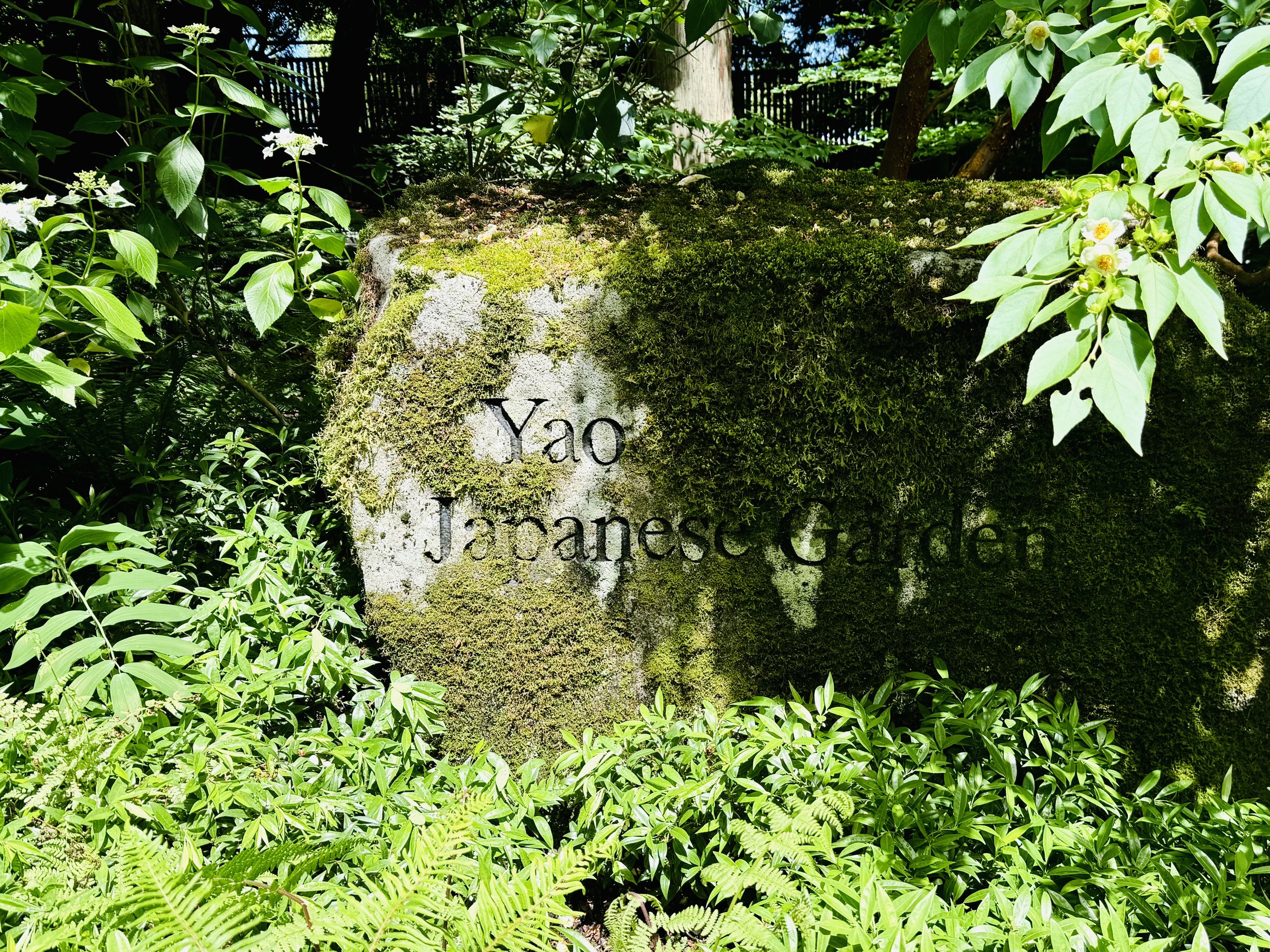
Traditional Japanese garden honoring Bellevue's sister city relationship with Yao, Japan.
-
Named for Tokyo-born artist AIKO, creator of the W Hotel Bellevue murals.
-
The Wing Luke Museum of the Asian Pacific American Experience.
-
Historic Japanese American martial arts dojo in the CID, Seattle.
-
604 S Jackson St.
-
For over 34 years, a leading representative of modern Japanese print artists.
-
Formerly ArtXchange Gallery.
-
Seattle's original Japanese American taiko group.
-
Japanese martial art instruction and community.
-
Japanese fencing tradition.
-
Japanese martial art rooted in harmony and non-resistance.
-
The oldest shodo organization in the Pacific Northwest, founded in Seattle in 1978.
-
814 E Roy St.
-
A 20-acre Japanese garden created by Fujitaro Kubota beginning in 1927.
-
3.5-acre traditional Japanese stroll garden designed by Juki Iida, completed 1960.
-
Japanese Cultural and Community Center of Washington.
-
Free admission always.
-
Volunteer Park, Seattle.
-
Downtown Seattle. seattleartmuseum.org
The Seattle Asian Art Museum is home to the Kollar Collection — sixty-five works of Ukiyo-e Japanese woodblock prints and painted scrolls donated by Allan and Mary Kollar of Seattle. Assembled over forty-five years through auctions and dealers in the United States, England, France, and Japan, the collection brings together some of the finest examples of Ukiyo-e from the mid-Edo period onward. These are the historical works that inspired the Impressionists and the Symbolists, transformed Western visual culture, and established the woodblock printing tradition that Living Traditions' mokuhanga artists carry forward today. The Kollars' gift to SAM and SAAM ensures that this connection between the historical and the living remains visible and accessible to all.
-
1100 W Ewing St., Suite 160, Seattle.
-
Contemporary gallery.
-
Independent publisher founded in Tokyo in 2002, dedicated to books at the intersection of Japanese and Pacific Northwest culture.
-
University of Washington campus.
-
Founded 1973.
-
Supports printmaking in Seattle and the Pacific Northwest.
-
Founded in Bellingham in 2009 by Seren Fargo, then known as Bellingham Haiku Group, BH meets to appreciate and write English-language haiku poetry in a supportive community. Members live mostly in and around Bellingham but also come from as far as the Seattle area and Vancouver, B.C. Victor Ortiz: vhaiku1@gmail.com
-
Free contemporary art museum, open daily and always free.
-
A mixed tapestry of trails, forests, meadows, and unique landscaped gardens. With 140 acres and 23 distinct landscapes to explore, it’s a perfect place to lose yourself in nature. The Japanese Garden was designed by Fujitaro Kubota. 7571 NE Dolphin Dr, Bainbridge Island.
-
Traditional Japanese garden maintained by the Highline Botanical Garden, Burien.
-
Anchor institution for Pacific Northwest art with one of the finest collections of Japanese woodblock prints on the West Coast.
-
One of only two museums in the United States solely dedicated to bonsai.
-
Community and cultural center dedicated
-
Established in the early 1960s in Tacoma's 698-acre Point Defiance Park.
-
The Babe and Herman Lehrer Japanese Friendship Garden, a karesansui garden on the TCC campus honoring the South Sound's Japanese American community and TCC's sister city relationship with Kitakyushu, Japan.
-
The state's premier history museum.
-
Spokane, WA.
-
Pullman, WA.
-
A Bellevue nonprofit creating place-based public art and historical markers that honor the area’s Japanese American heritage.
-
Founded in October 1900, the oldest kenjin kai (prefectural association) in Seattle, serving Japanese Americans with roots in Hiroshima Prefecture.
-
Prefectural kenjin kai serving Japanese Americans with roots in Okayama Prefecture.
-
Promotes the tradition of Japanese calligraphy in the U.S. through education and exhibitions in Redmond.
Contact: Yoshiyasu Fujii
Email: pasha-g@hotmail.co.jp
-
Prefectural kenjin kai serving Japanese Americans with roots in Fukushima Prefecture.
-
A Seattle dojo for the study and performance of the shakuhachi (Japanese bamboo flute), affiliated with the Kokusai Shakuhachi Kenshukan in Tokyo.
-
A Seattle-based koto ensemble that performs at From Hiroshima to Hope and Japanese cultural events throughout the region.
-
A Seattle-based all-volunteer organization that organizes the annual pilgrimage to the Minidoka National Historic Site.
-
A nonviolent direct-action project of Japanese American WWII camp survivors, descendants, and allies, standing with communities targeted by detention and deportation.
-
Akemi Sagawa’s Sogetsu Ikebana teaching practice in the Seattle area. A certified Sogetsu instructor and a board member of Ikebana International Seattle Chapter #19, she leads classes and demonstrations, with in-person classes held at Fran’s Chocolates’ Georgetown boutique.
-
A Seattle organization dedicated to the Japanese performing arts, encompassing the School of Taiko and Japanese classical dance (nihon buyo). It performs and teaches taiko drumming and dance at festivals and in the community throughout the region.
-
A Seattle-area group specializing in Okinawan (Ryukyuan) dance and music, known for lively, colorful performances at community festivals including the Seattle Cherry Blossom and Japanese Cultural Festival.
-
A Seattle koto ensemble in the tradition of the modern koto master Michio Miyagi (1894-1956), composer of the celebrated New Year piece Haru no Umi. Its members perform Japanese koto music at community festivals across the region, including the Seattle Cherry Blossom and Japanese Cultural Festival.
-
A nonprofit community arts center in Seattle’s Central District (1902 S Main St), founded in 1976 and named
for civil rights leader Edwin T. Pratt. Home to the largest printmaking studio in the Seattle area, Pratt offers hands-on instruction across many media, including Mokuhanga (Japanese woodblock) workshops taught by printmakers such as Charlie Spitzack.
-
A Walla Walla nonprofit founded in 2016 by printmaker Keiko Hara to promote and support mokuhanga in a
global context. It hosts residencies, workshops, demonstrations, and international exhibitions (often with Foundry Vineyards and Whitman College’s Sheehan Gallery), bringing Japanese and international woodblock artists to southeastern Washington.
-
The Seattle branch of the Omotesenke school of the Way of Tea, led by Kyoko Matsuda. Presents tea ceremonies at the Shoseian Teahouse in the Seattle Japanese Garden and at community festivals.
-
Seattle’s tea group for men, formed to promote awareness of Japanese tea ceremony among men, with members drawn from several Chado schools. Presents at the Shoseian Teahouse in the Seattle Japanese Garden.
-
A Chanoyu (Way of Tea) teaching center founded in 2012 by Bonnie Soshin Mitchell, Seattle’s senior-most tea instructor and the Urasenke Foundation’s Seattle representative since 1981. Based at the Japanese Cultural and Community Center of Washington.
-
A studio for Japanese calligraphy, art, and script history founded and led by Shizu Usami. A calligrapher and scholar of script history recognized by the U.S. government with Extraordinary Ability status, Usami offers professional and educational programs rooted in Japanese calligraphy, alongside her own original artwork. Its cultural programs are designed to welcome non-Japanese speakers, making the tradition accessible to a wider audience. Based in Washington State.
-
The Seattle chapter of Chado Urasenke Tankokai, a nonprofit dedicated to the practice and appreciation of Urasenke Chado (the Way of Tea) across the greater Seattle area. Offers lessons, demonstrations, and public presentations, and practices at the Shoseian Teahouse in the Seattle Japanese Garden.
-
Bellevue. Cultural experiences of kimono through rental, dress-up, and photo shoots, with special cleaning and repair services. Contact: Mariko Kayama.
-
Seattle. A tanka association with a hundred-year history. A tanka is a five-line Japanese poem of 31 sound units (5-7-5-7-7) that links a moment in nature to an intimate emotion. Contact: Aiko Tamiya.
-
The largest kenjin kai in Washington State. Preserves and passes forward Okinawan heritage through taiko, Eisa dance, sanshin, koto, Ryukyuan singing, and community events. Multigenerational membership from age three to over eighty. OKK Chijinshuu is the organization's performing arts ensemble.
-
Founded in Tacoma in 1986, PSSA is a nonprofit of over 70 members dedicated to the promotion of sumi ink painting, Asian brush calligraphy, and related arts across Washington State. Co-founded by Fumiko Kimura, a Kibei-Nisei artist and biochemist whose practice spanned more than fifty years and whose life story is told in Persimmon and Frog: My Life and Art. PSSA artists Fumiko Kimura and Voski Sprague launched the Haiga Adventure Study Group in dialogue with Northwest poet Sam Hamill, and since 2011 have exhibited haiga (the union of sumi, calligraphy, and haiku) at the annual Haiku Northwest Getaway in Seabeck. Exhibitions at the Wing Luke Museum, Pacific Bonsai Museum, Tacoma Public Library, and galleries throughout the Puget Sound region.
-
Riiisa Boogie (Risa Tochigi) and Rezones (TC Weaver) are BOOGIEREZ, a dynamic Seattle artist duo heavily inspired by hip hop culture. Risa is a Japanese American artist who blends the technical mastery of traditional Japanese printmaking with urban imagery, textile, nature, and the energy of street and dance culture, working as an illustrator, painter, maker, and muralist. Together their studio moves across music, photography, illustration, painting, graphic design, dance, fashion, and sculpture, with a mission to inspire, impact, and empower.
-
Mokuhanga collective based in Walla Walla, in dialogue with the Mokuhanga Project Space.
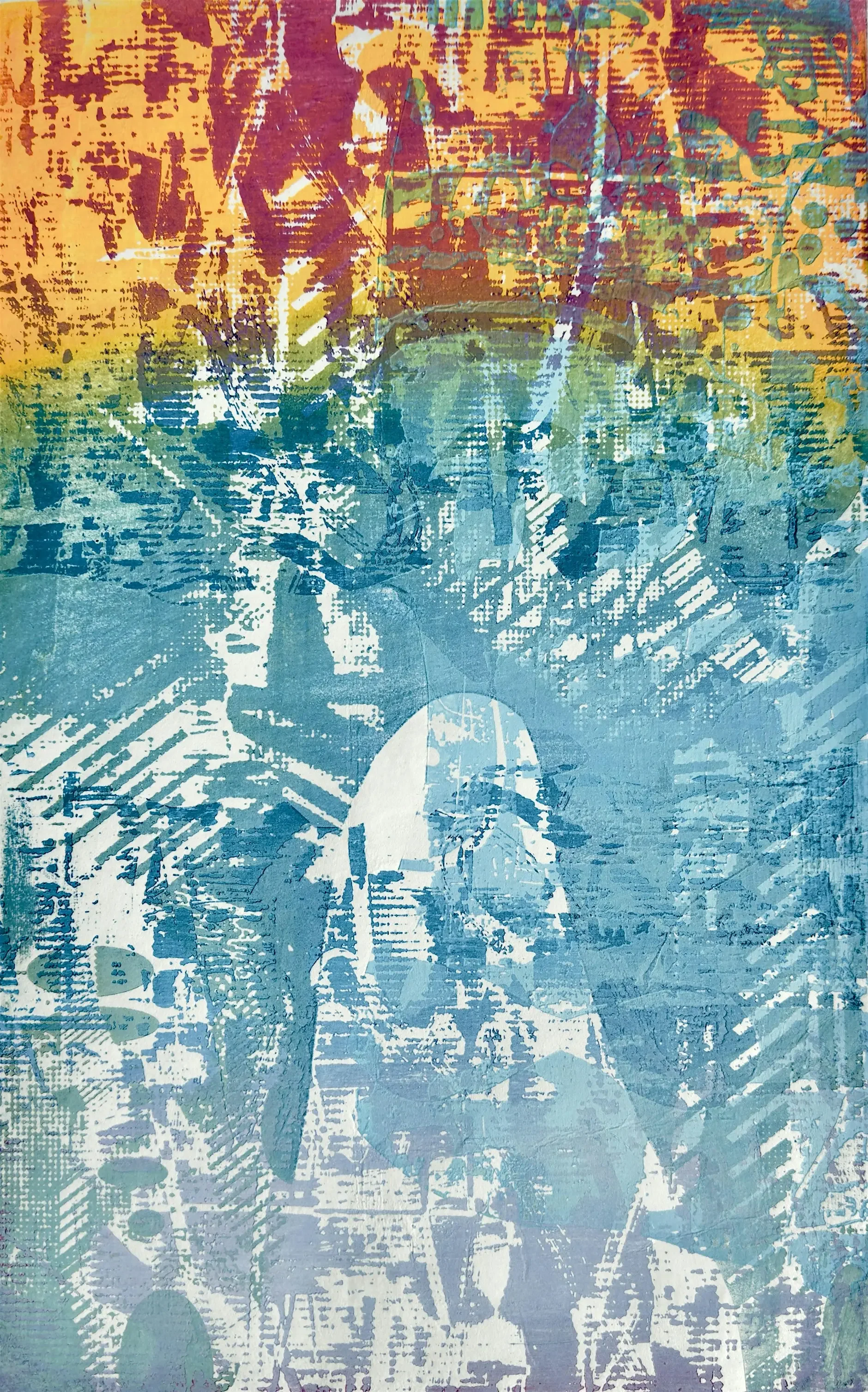
Physical Programming
Opening Ceremony
July 24
11:00 AM
NE 6th Street, Downtown Bellevue
Inochi Taiko opens the arts weekend on Friday July 24 at 11am on NE 6th Street, downtown Bellevue, with a performance that is as much visual as it is sonic — choreography, rhythm, energy, and dynamic arrangement coming together in a powerful experience. ‘Inochi’ means Vitality, and that is exactly what the ensemble brings to NE 6th Street. Their drums signal the ceremonial start, as calligrapher Shizu Usami takes the stage — her brushwork passing the tradition forward to a new generation. Taiko resumes, the beat passing from player to player, and the weekend begins — two traditions, one moment.
Woodblock Printing (Mokuhanga)
Demonstrations:
July 24-25
11 AM - 4 PM
Avenue Bellevue
Friday | July 24
Kathleen Hargrave, water-based
Saturday | July 25, 12 PM - 3 PM
Yoshi Nakagawa, oil-based
Hands-on workshop:
Sunday | July 26
10 AM - 2 PM
Avenue Bellevue
Up to 10 participants. $125 plus fees. Registration required.
With Kathleen Hargrave & Yoshi Nakagawa
Art is Kathleen Hargrave's real point of hope. She lets go of striving for perfection and accepts the slow incremental improvement — getting lost in art, letting it lead. Yoshi Nakagawa finds great beauty and simplicity in everyday lives: the respect for working by hand, the enlightenment found in something deeply repetitive. Demonstrations Friday July 24 (Kathleen Hargrave, water-based) and Saturday July 25 (Yoshi Nakagawa, oil-based) at Avenue Bellevue. Hands-on workshop Sunday July 26, Avenue Bellevue — registration required, space is limited.
Ceramics (Togei)
Demonstration:
July 25
1:00 - 5:00 PM
Avenue Bellevue
Takako Mollicone and Cameron Yuki's ceramic works are rooted in Japanese tradition and deeply intertwined with daily life. Grounded in an appreciation of simplicity, nature, and the beauty of imperfection (wabi-sabi), these everyday ceramics are designed to be used rather than merely displayed.
Flower Arrangement (Ikebana)
On Display
July 24-26
Avenue Bellevue, the Bellevue Arts Museum, and the Westin Hotel (Bellevue)
Live Group Arrangement
July 24
1:00 PM
Avenue Bellevue
Ikebana International was founded in 1956 with a simple and enduring motto: Friendship through Flowers. Arrangements at Avenue Bellevue, the Bellevue Arts Museum, and the Westin Hotel throughout the weekend.
Ikebana Single Stem Take-Away
July 24-26
The Westin Hotel (Bellevue)
At the Ikebana International displays at the Westin Hotel, each visitor receives a single stem in a water tube to take home. 100 stems per day. Scan the QR code to explore basic ikebana principles online. Arrange your stem, photograph your creation, and share it with the Bellevue Arts Fair.
Star Festival (Tanabata)
July 24-26
NE 6th Street, downtown Bellevue.
Hundreds of paper wishes written by students from Bennett Elementary and Japanese Dual Language preschools across Bellevue line the Bellevue Arts Museum and NE 6th Street, creating a corridor of color and community. Come to the activity table and add your own wish.
Calligraphy (Shodo)
July 24-26
NE 6th Street
Star Festival Table
For co-curator Shizu Usami, to write is to breathe. Calligraphy is not performance. It is a practice of letting go of the illusion of control, of allowing the sumi ink, the moisture in the air, the stone, and the brush to come together in a singular encounter.
Haiku Poetry
July 24-26
NE 6th Street
Star Festival Table
Haiku Northwest + Rainier Ginsha Haiku Club
Make your own okiagari-koboshi — a simple toy with a 400-year history. These traditional Japanese tumbling dolls always right themselves, playfully symbolizing resilience and new beginnings. Free family activity inside the Bellevue Arts Museum, July 24–26.
Tumbling Doll (Okiagari-koboshi) Craft
July 24-26
Bellevue Arts Museum
Tumbling Doll Craft Table
BOOGIEREZ x Living Traditions
July 24-26
Avenue Bellevue
Risa Tochigi (Riiisa Boogie) and TC Weaver (Rezones) blend the technical mastery of traditional Japanese printmaking with urban imagery, graphic storytelling, and contemporary creative culture. Their Avenue Bellevue activation, Japan Town, is a living cultural ecosystem where festival energy, visual storytelling, hands-on making, and community come together. ‘We are greater together and are bound by culture.’ July 24–26, Avenue Bellevue, downtown Bellevue.
Aiko Gallery
July 24-26
Avenue Bellevue
Gallery open to public during fair weekend.
Arts Organization Table
July 24-26
Avenue Bellevue
A shared space at Avenue Bellevue where regional organizations introduce fair visitors to the arts of Japan, running all three days.
Community Organization Hub
July 24-26
Bellevue Arts Museum
The Community Hub is a gathering space inside the Bellevue Arts Museum store, presented during Bellevue Arts Fair Weekend and free to all. Organizations that preserve the history of the Nikkei community, serve its elders, and teach its traditions to the next generation share their work with fair visitors.
Venues
Bellevue Arts Museum
510 Bellevue Way NE, Bellevue, WA 98004
Avenue Bellevue
889 Bellevue Square NE, Bellevue, WA 98004
The Westin Bellevue
600 Bellevue Way NE, Bellevue, WA 98004
Programming takes place across these venues and along NE 6th Street during the arts weekend, July 24 to 26, 2026.
Please note: artist demonstration tables are for demonstration and conversation. No sales take place at artist tables during the arts weekend.
Living Traditions was conceived, curated, researched, and written by Dr. Anna-Marie Moblard Meier, Guest Curator, Bellevue Arts Museum, including all tradition essays, artist profiles, public-art writing, and the interactive cultural map. Shizu Usami served as co-curator, leading calligraphy programming and the Star Festival (Tanabata) table and supporting community and vendor partnerships. Presented by the Bellevue Arts Museum as part of Bellevue Arts Fair Weekend, supported in part by a King County 4Culture Heritage Grant.